


Garbage, recycling and organics, like food scraps and yard waste collected from Edmonton homes are processed at the Edmonton Waste Management Centre (EWMC). Learn how each type of waste is handled and processed.
What Happens to Garbage
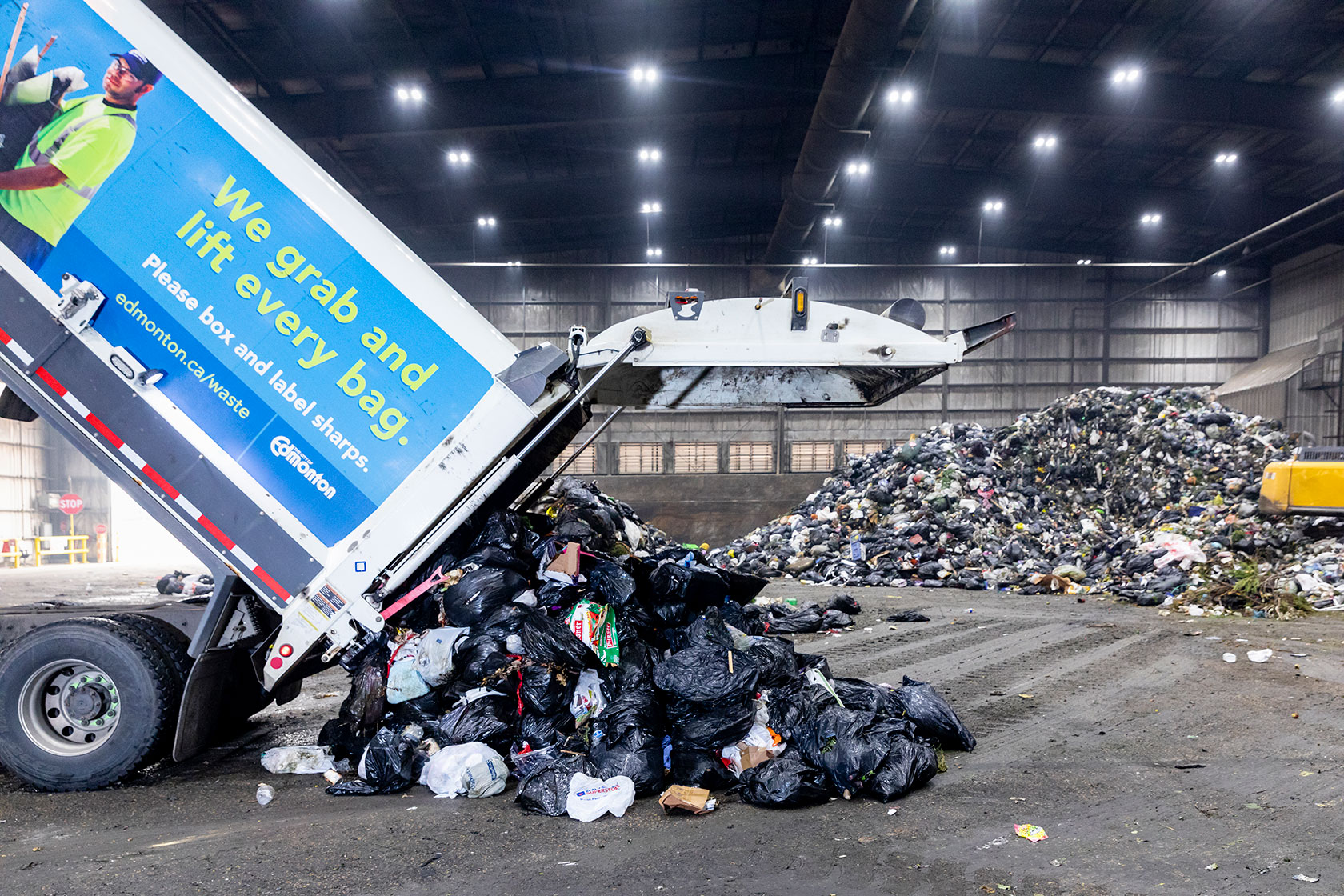
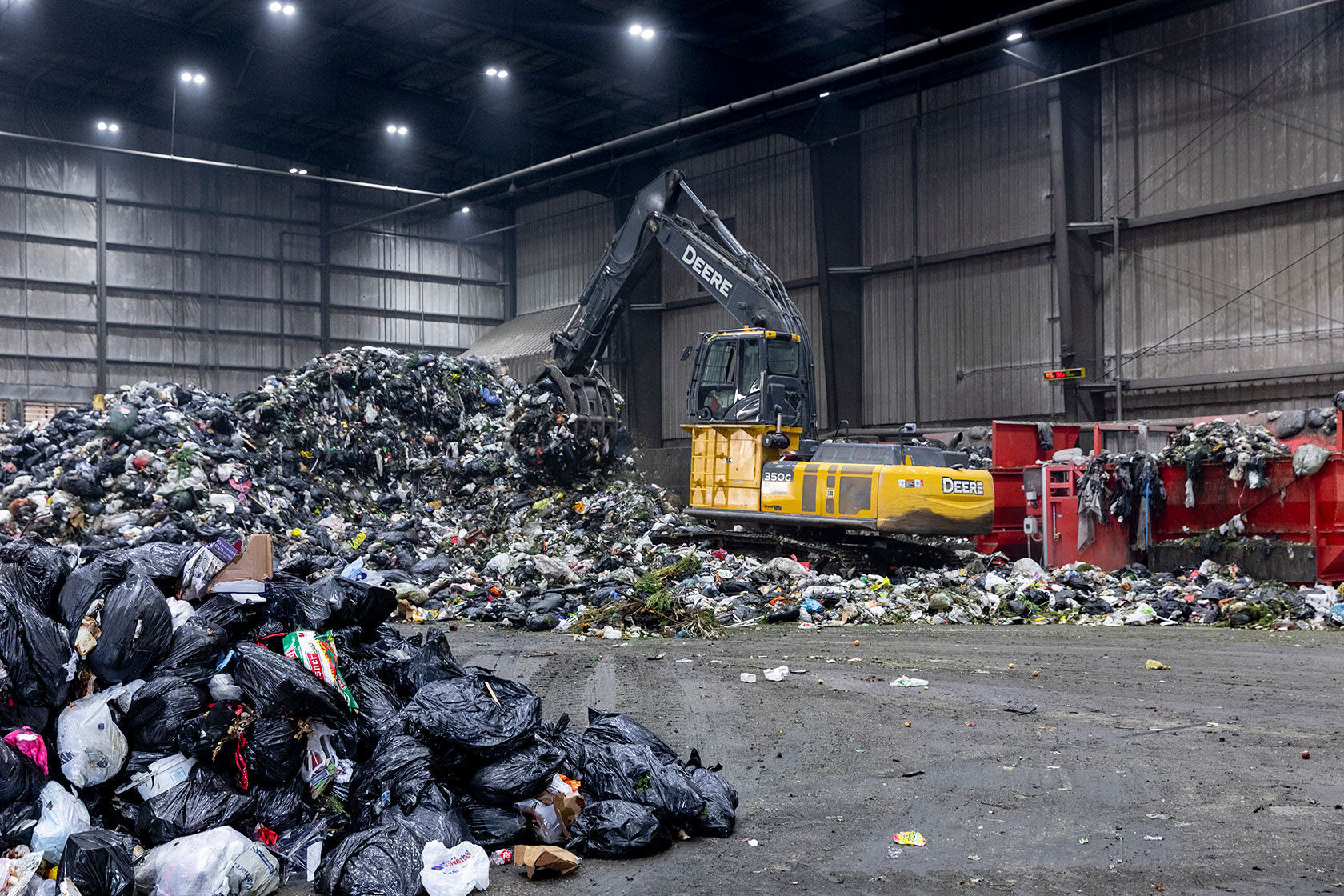
Garbage collected from Edmonton homes is brought to the Integrated Processing and Transfer Facility. Here, it is prepared to become refuse-derived fuel (RDF), be converted to energy or sent to a landfill.
Integrated Processing and Transfer Facility
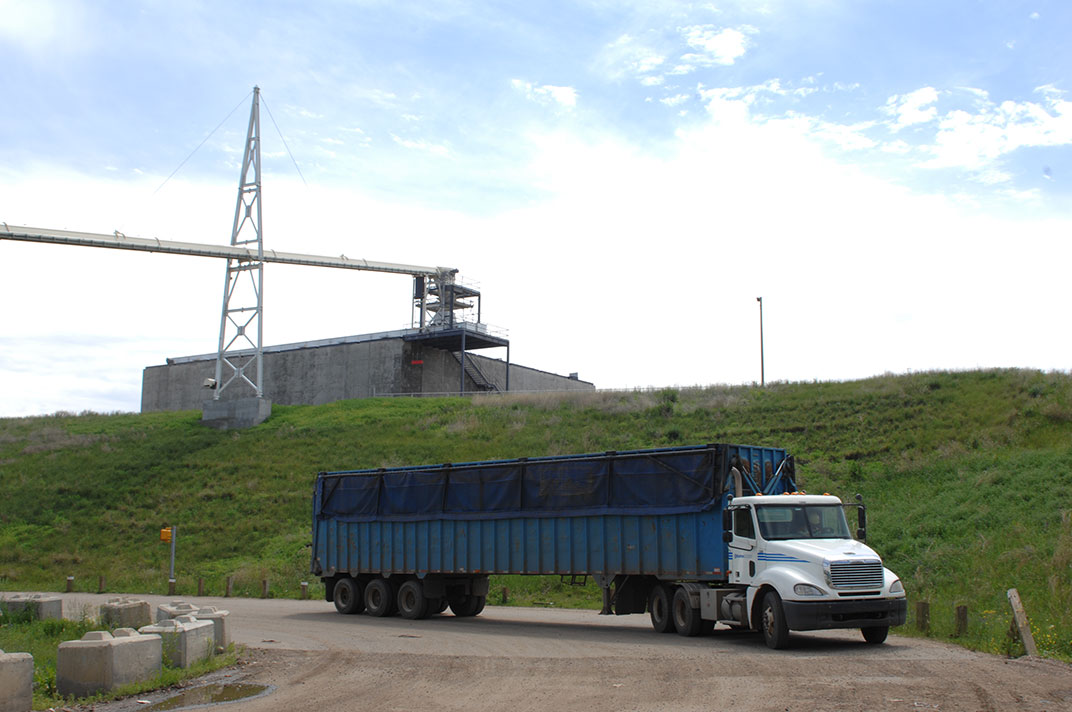
The Integrated Processing and Transfer Facility (IPTF) sorts some household garbage, removing materials like worn-out clothing and plastics, which can be used to make refuse-derived fuel (RDF). The remaining garbage is loaded into long-haul trucks, which deliver it to the Claystone Waste Beaver Regional Landfill near Ryley, Alberta.
Refuse Derived Fuel Facility
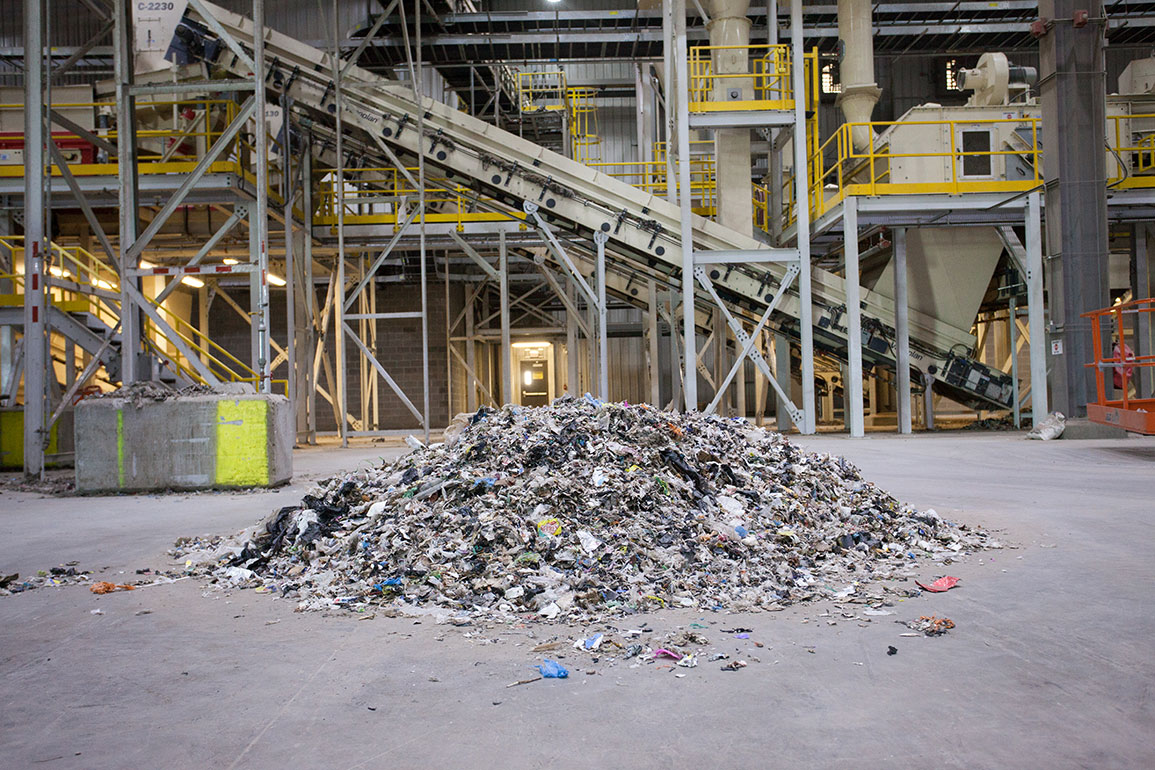
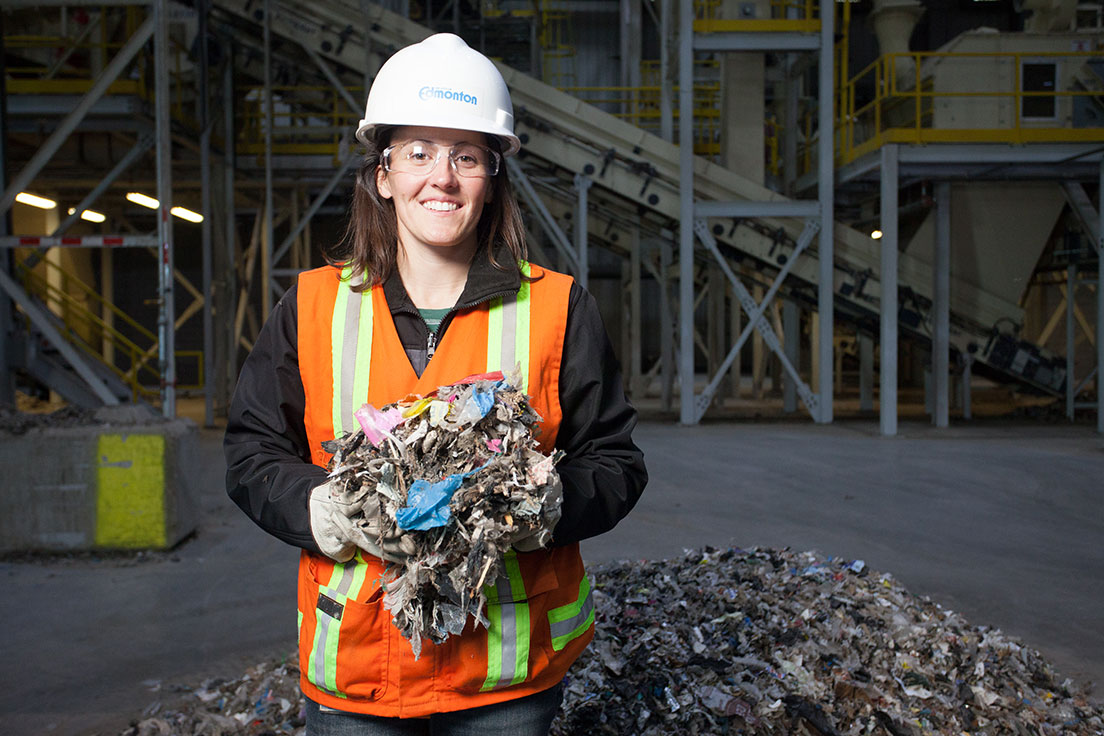
Located inside the Integrated Processing and Transfer Facility, the Refuse Derived Fuel Facility converts household garbage into refuse-derived fuel (RDF). Also called “garbage fluff”, RDF looks a bit like garbage confetti. To create RDF, waste material is screened to remove any metal, glass or other inert materials. It’s then shredded into small pieces, about the size of your thumb, and dried. The City can provide RDF to partners who convert this waste into energy.
What Happens to Organics
If organic material is buried in a landfill, it creates methane, a powerful greenhouse gas. By sorting waste, residents allow it to be turned it into compost and energy, and help prevent greenhouse gas emissions.
Food Waste
When food scraps arrive at the Centre, they are screened to remove any garbage. Then, they are sent to the Compost Cure Site or to organics processors in the Edmonton area.
Regional Organics Processors
Most of the material collected in food scrap carts is sent to private organics processors in the Edmonton region after it is screened. This ensures we have the capacity to process and divert it from landfill. The processors own and independently market the products they create from the material.
Yard Waste
Yard waste set out for seasonal collection, or taken to an Eco Station, is composted outdoors at the Compost Cure Site.
Compost Cure Site
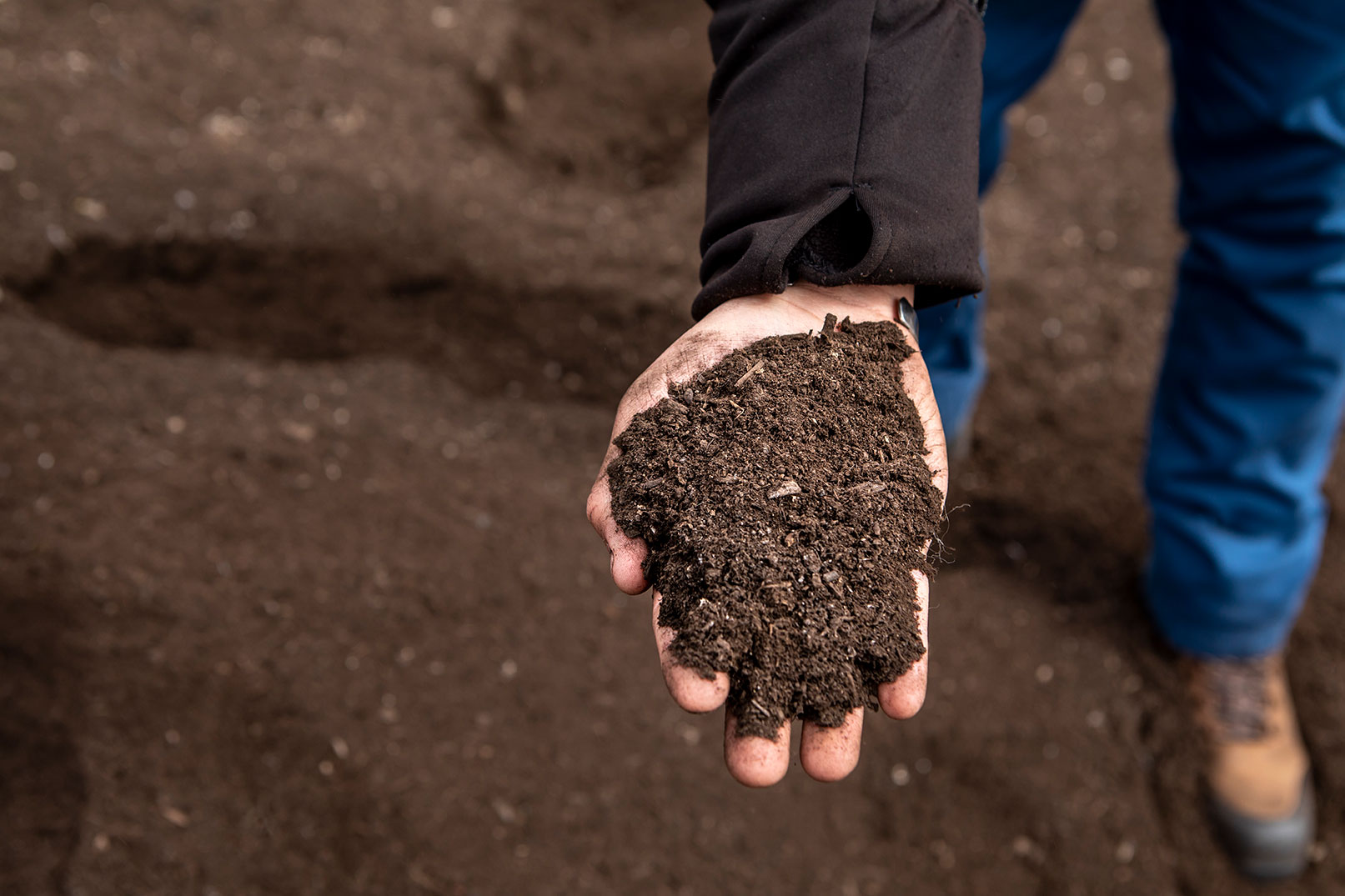
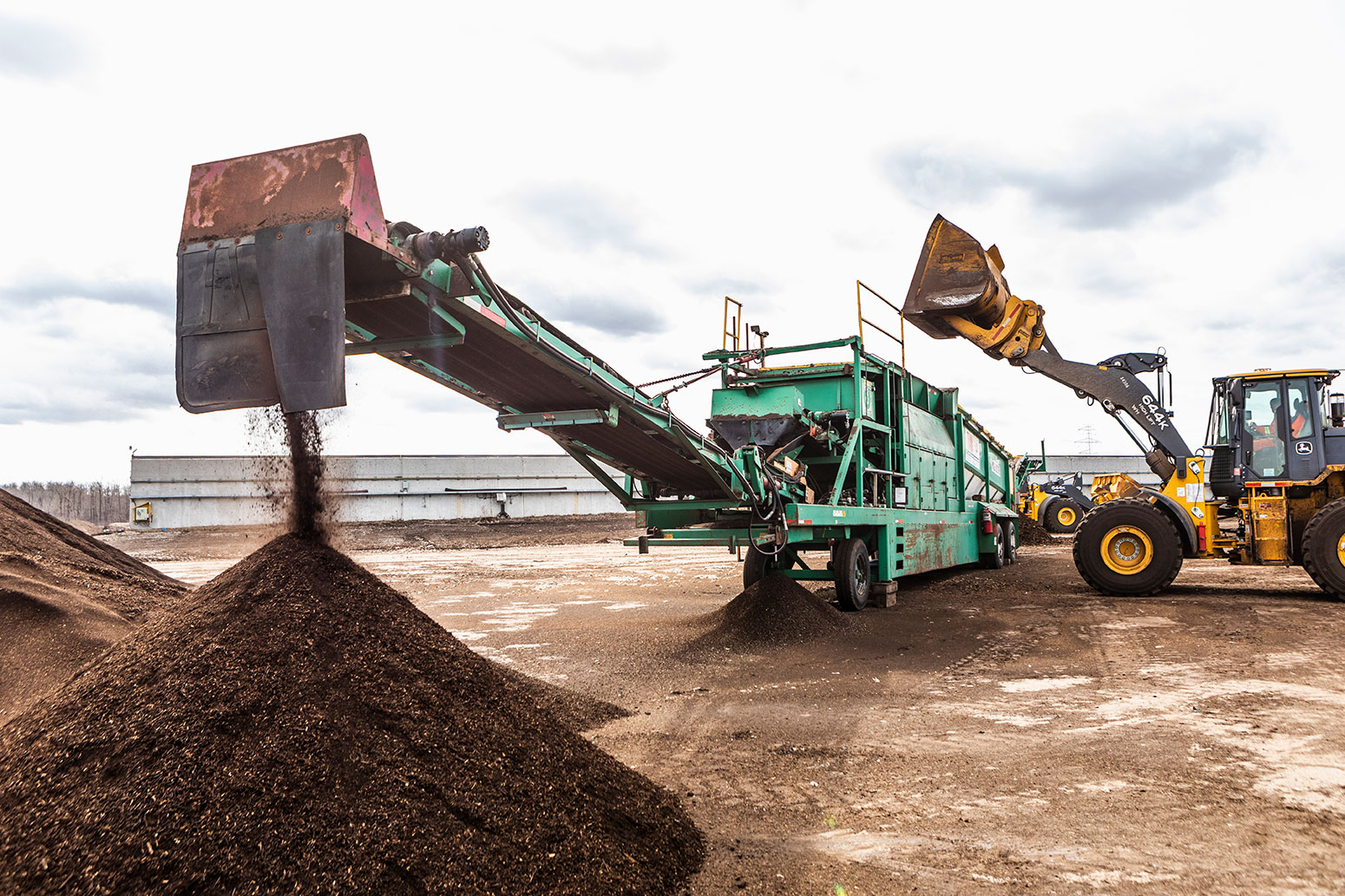
The Compost Cure site is a large, outdoor space where yard waste is composted. After being ground into smaller pieces, yard waste material is placed into large piles called windrows. Heat, water and microorganisms break the material down. The finished compost is offered to residents, free of charge. It can also be purchased in bulk.
What Happens to Recycling
Recycling collected from Edmonton homes is brought to the Materials Recovery Facility. Recyclables are sorted and baled, then shipped to buyers across North America and the world.
Materials Recovery Facility
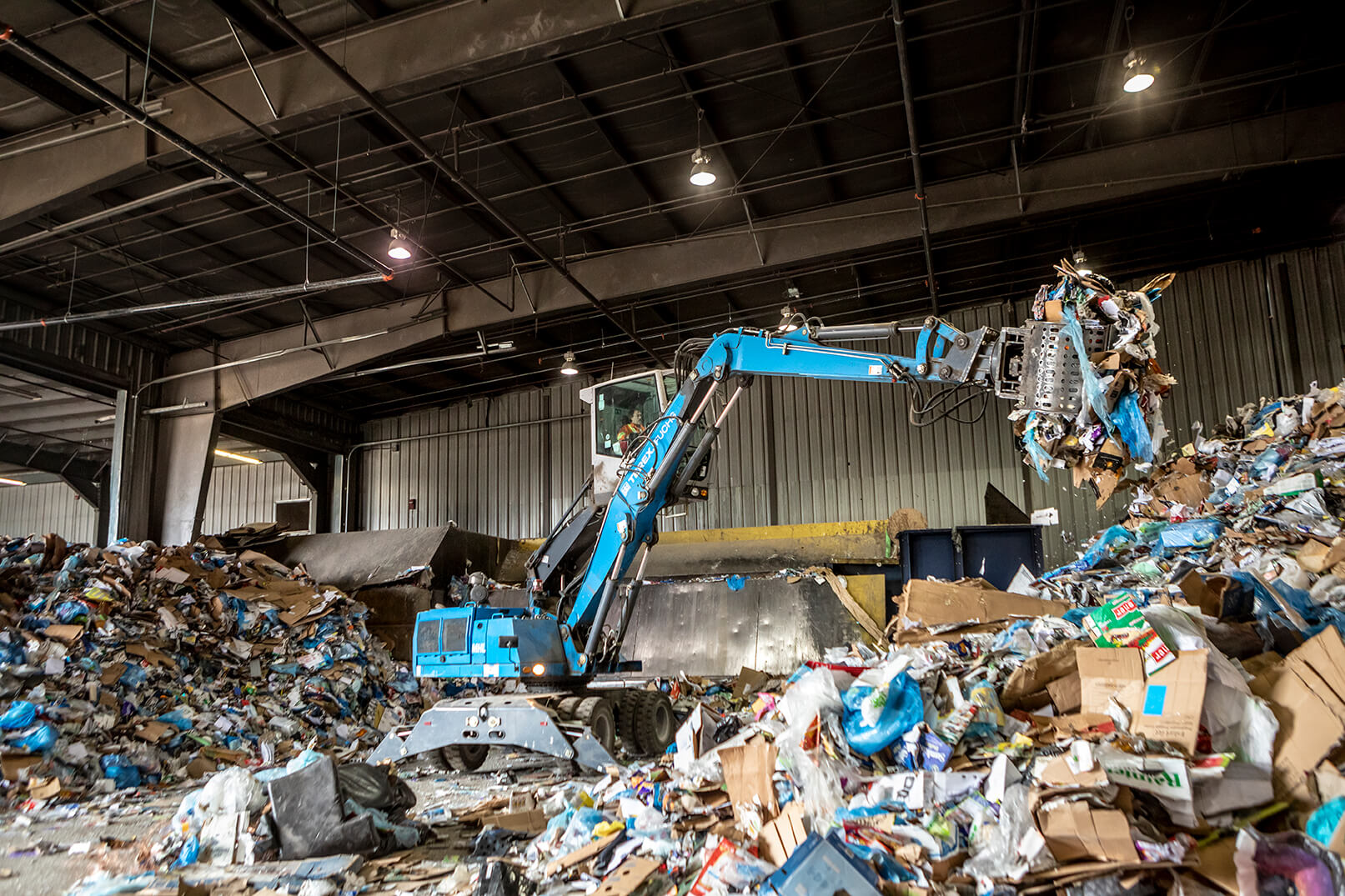
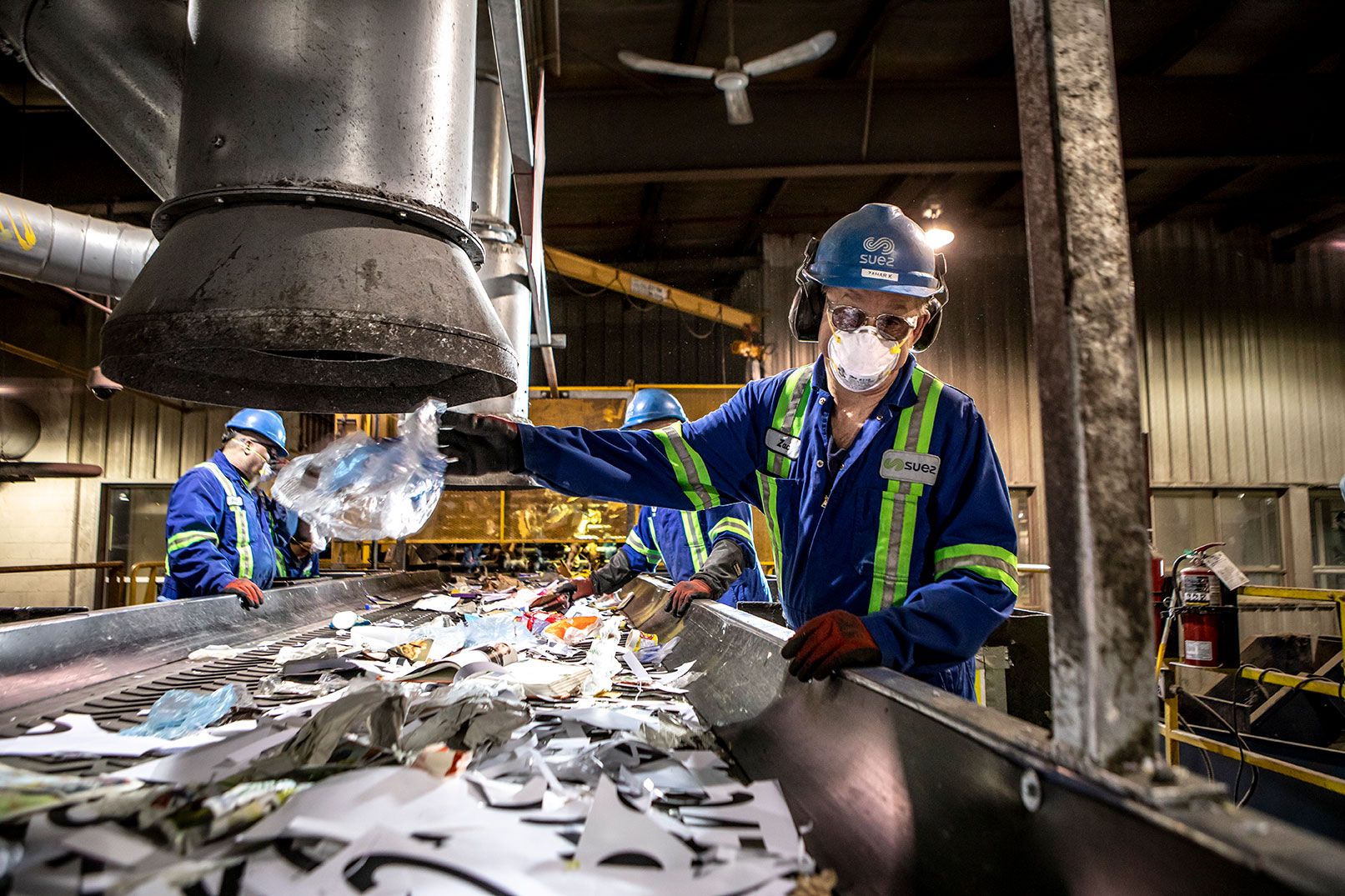
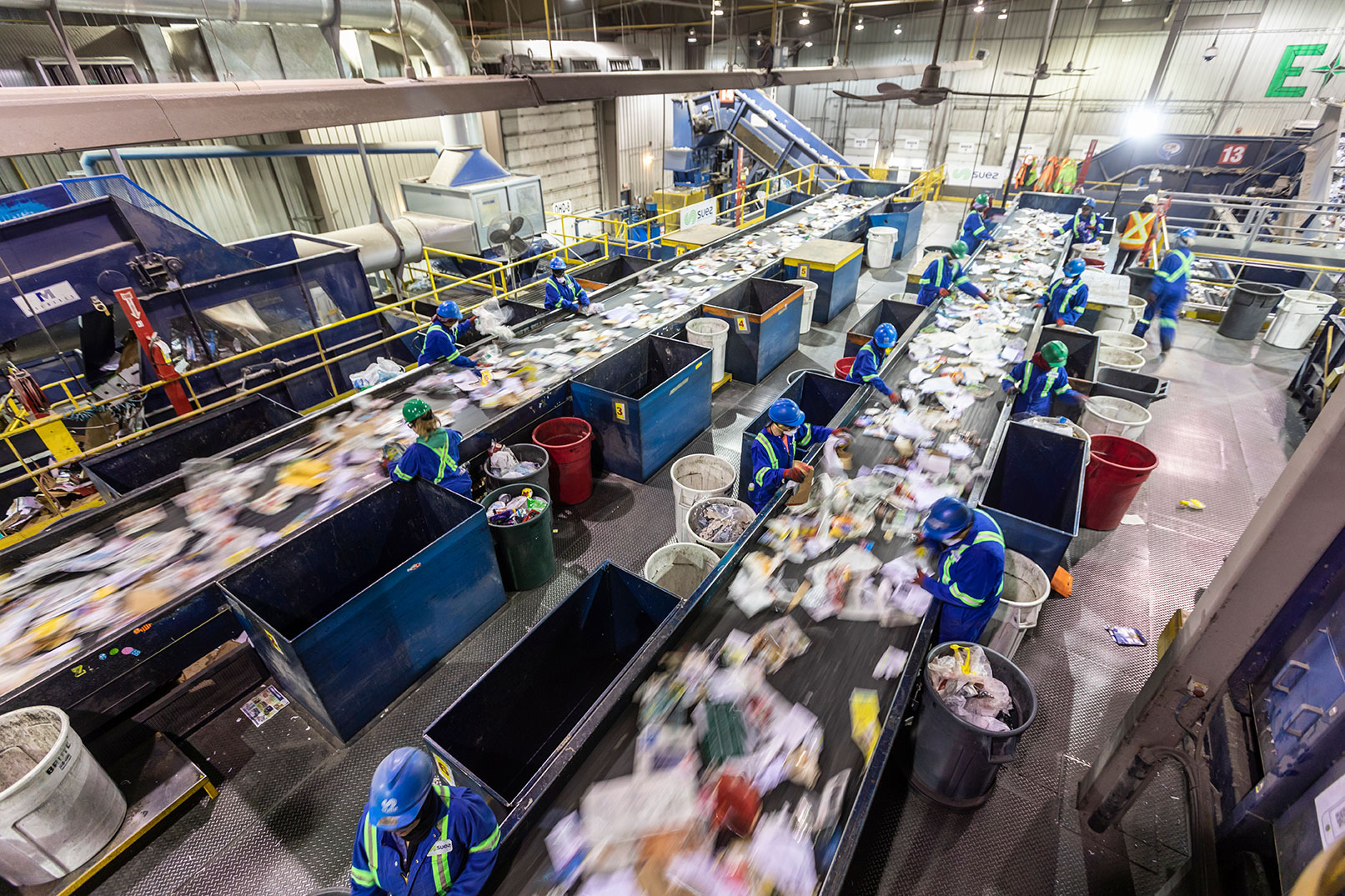
The Materials Recovery Facility (MRF) sorts mixed recyclables from blue bags, apartment blue bins and Community Recycling Depots.
When the mixed recyclables arrive at the MRF, they are moved through a series of sorting machines. These include screens, magnets and optical sorters. They sort items by shape, size, weight and other factors. Some sorting is also done by hand.
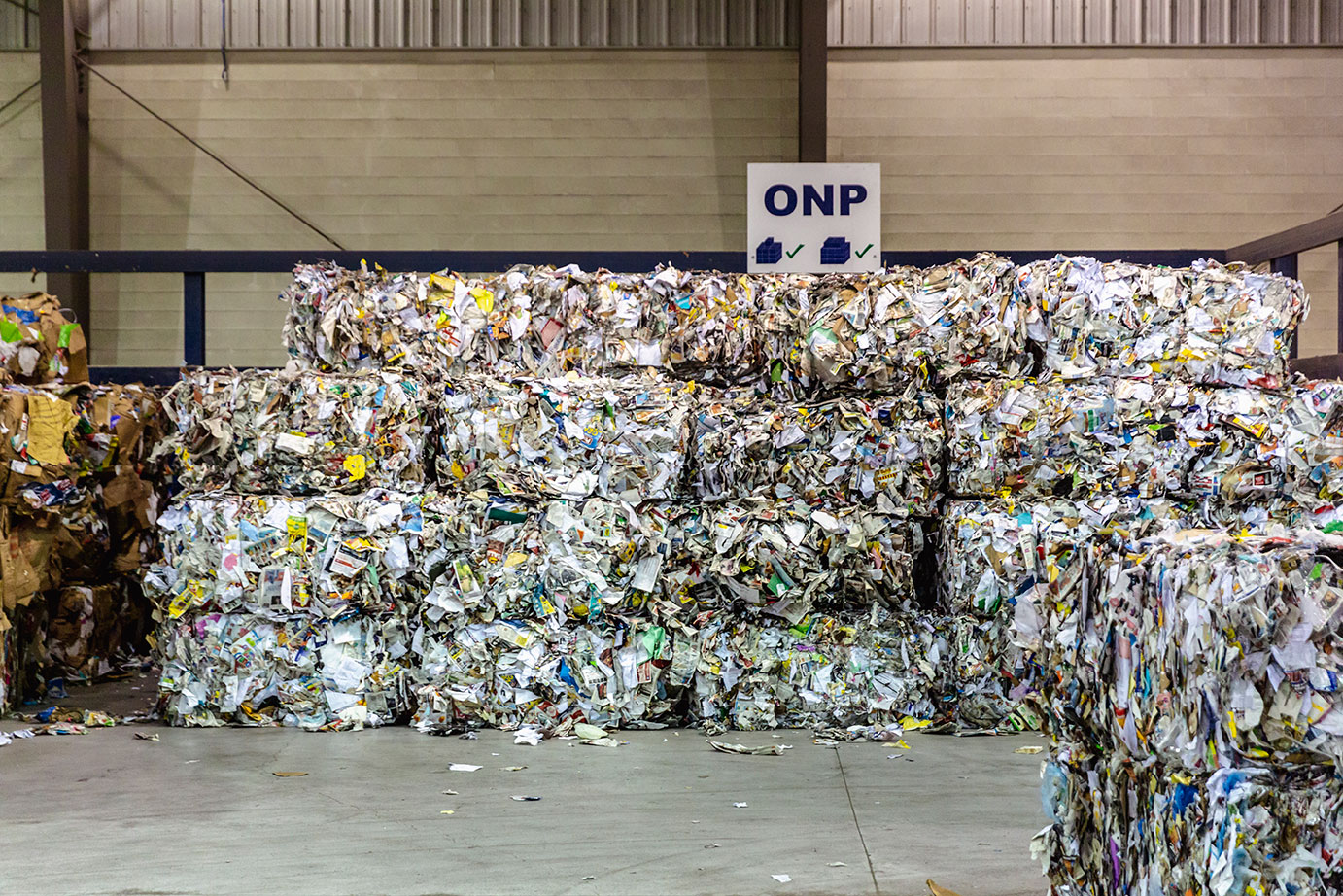
The sorted materials are baled and shipped to buyers across Canada and around the world. This includes companies that further refine the materials and manufacturers that use them to create new products.
Other Facilities at the Edmonton Waste Management Centre
The Centre also processes E-waste, construction and demolition waste and biosolids.
E-Waste Recycling Facility
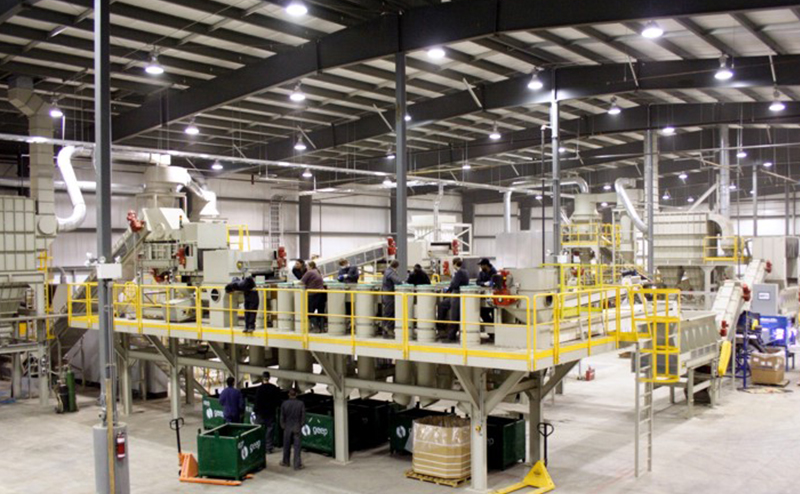
At the E-Waste Recycling Facility, your old television, computer and other electronics are taken apart to remove recyclable materials, like various metals, glass and plastic. These materials are then sent to companies that further process them or turn them into new products.
E-waste contains chemicals and metals like lead, mercury and cadmium that are harmful to the planet if buried in a landfill. Recycling electronics not only keeps these materials out of landfills, it reduces the energy consumption, pollution and natural habitat loss associated with mining and refining new metals.
This facility is owned and operated by Quantum Lifecycle, a registered processor under Alberta’s Electronics Recycling Program. This program works with processors to ensure electronics are processed safely and responsibly, and do not end up in places where they harm people and the environment.
Biosolids Lagoons
After you flush your toilet or drain your sink, your wastewater travels to a treatment plant. The solids are separated from liquids, then treated physically and chemically. The resulting product is called “biosolids” or sewage sludge. Biosolids are pumped from Goldbar Wastewater Treatment Plant to the EWMC, where they are stored in lagoons. Biosolids are managed by EPCOR.
When properly treated and managed, biosolids can be used as a fertilizer and to improve soil. EPCOR provides biosolids to farmers through its Nutri-gold Program.
Construction and Demolition Recycling Facility
This facility accepts and sorts construction and demolition waste, with the goal of keeping materials like metals, wood and gypsum out of the landfill. The mixed material is sorted by magnets and by hand. The sorted materials are sent to other companies that turn them into new products. It is independently operated by GFL Environmental.