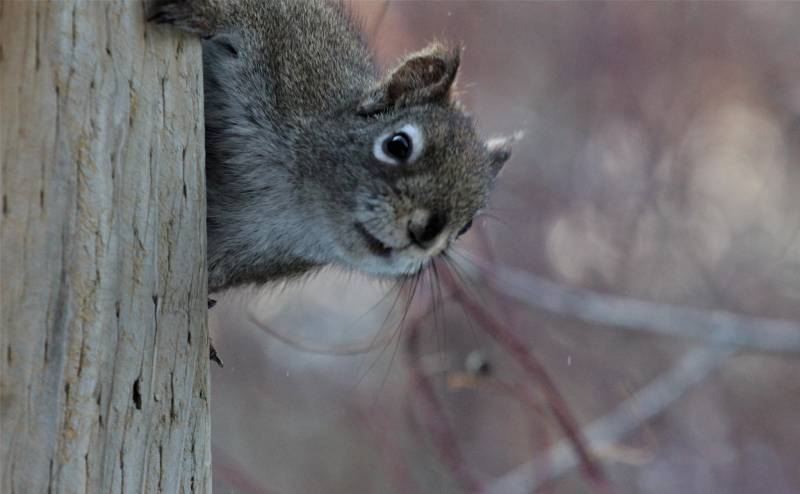
Squirrel

Learn how to safely manage animals on your property, and get some tips for interacting with wildlife in the City.

The City of Edmonton is home to a variety of urban wildlife such as coyotes, squirrels, geese and deer. Learn about Edmonton's wildlife and what to do if you encounter an injured or distressed wild animal.

If you’ve come across a wild animal that you think might be injured, please contact WILDNorth at 780-914-4118.

Caring for Injured or Distressed Wildlife

You can help if you find wildlife orphaned, injured or in distress. Animals will protect themselves if they are threatened. When handling an injured animal, follow these steps:

  1. Have an appropriate, ventilated container ready before you pick up a wild animal. For birds use a cardboard box. For mammals use a sturdy container such as a fibreglass pet caddy or strong wooden box.
  2. Wear leather gloves and have a towel available to throw over the animal.
  3. Transport the injured animal to the nearest wildlife veterinarian or wildlife rehabilitation centre as soon as possible.

Support and Resources

It's illegal for you to possess, even in the short term, most species of wildlife without a permit. Wildlife rehabilitation centres and other agencies are permitted to care for injured native wildlife.

For the name of a veterinary clinic in your area, call the Alberta Veterinary Medical Association at 780-489–5007 during business hours.

For problem wildlife, please contact Animal Care & Control at 311.

For larger wildlife, contact Alberta Fish and Wildlife Office.

Report suspected infestations of the Norway Rat. All sightings in Edmonton should be reported to the Animal Care and Control Centre by calling 311.
Tip Sheets

Here are some species-specific tips for keeping your property pest free.

Hares

Hares tip sheet
Repelling hares from your yard.

Porcupines

Porcupines tip sheet
Deterring porcupines.

Skunks

Skunks tip sheet
Removing skunks

Squirrels

Squirrels tip sheet
Removing squirrels from your house and yard

Feeding Wildlife Bylaws

Intentional feeding of wildlife and excessive accumulation of edible materials on private and public property is prohibited as per the following bylaws:


These bylaws address both individuals' behaviour and property conditions that may lead to increased negative interactions between coyotes, people and companion animals or the creation of nuisance conditions that may cause public or health and safety concerns. 

Wildlife Feeding Webinar

Don't Feed the Geese – Help Keep Wildlife Wild

Edmontonians take great pride in their parks and natural areas, which provide opportunities for encounters with wild animals and birds. To help preserve the health of our wildlife and prevent the overpopulation of certain species in our parks, please do not feed wild animals and birds, particularly geese.

Goose management poster

You might be asking why feeding wild birds or waterfowl is harmful. Here are a few reasons why we ask for your co-operation.

Avoid Overpopulation

Feeding waterfowl can lead to overpopulation in urban parks and can have a negative impact on our environment.

  • Large numbers of waterfowl in one area can damage the natural environment. It can contribute to over-grazing, trampled vegetation, and soil erosion in our parks.
  • Excess uneaten food can spoil, which can poison wildlife and lead to bacterial growth in the water.
Keep Geese Healthy
  • Feeding waterfowl can negatively impact their health and survival.
  • Waterfowl lose their natural fear of humans, which is crucial to their survival and the maintenance of their instinctual behaviours. Animals that retain wild characteristics have higher rates of survival in urban settings as they do not depend on hand-outs for food and shelter.
  • Overcrowding of geese increases their stress and susceptibility to infections and diseases. Examples include Cryptosporidiosis (which can also affect humans), viruses, and parasites.
  • Feeding waterfowl can cause dietary and digestive problems for the birds.
  • Most handouts, such as stale bread, crackers and pastries, have little nutritional value and can contribute to malnutrition.
  • Feeding waterfowl disrupts natural behaviour, leading to dependency on humans for food and delayed migration. 
Keep People Safe

Feeding waterfowl increases physical and medical risks for humans.

  • Geese approaching humans for food can become extremely aggressive, which raises safety concerns.
  • Large concentrations of waterfowl can lead to increased fecal matter in the surrounding water and on the landscape. Increased feces are not just a sanitation issue, but can lead to a variety of diseases and water pollution.
  • Excess feed may attract other species, such as mice, voles, squirrels and pigeons.
  • The City of Edmonton is committed to protecting our valued green spaces and the wildlife that call them home. Together, we can ensure a healthy, natural environment.

Managing Wildlife

Rats

Rats can cause a lot of damage quickly, so it is important to report them immediately.

Since the 1950s, Alberta has had the distinction of being the only rat-free area. Most people have never seen one. Rats consume and spoil grain products, food and damage buildings and electrical wiring. They also carry many diseases that are a threat to human health.

Report suspected infestations of the Norway Rat. All sightings in Edmonton should be reported to the Animal Care and Control Centre by calling 311.
Small Animals

You may legally trap pest animals such as skunks, gophers, porcupines, squirrels, ground squirrels, magpies and crows on your own property.

Animal Care and Control Centre no longer offers wildlife trap rental services. Edmontonians are encouraged to seek the help of privately operated wildlife and pest control companies or modify their property to deter wild animals.

Large Animals

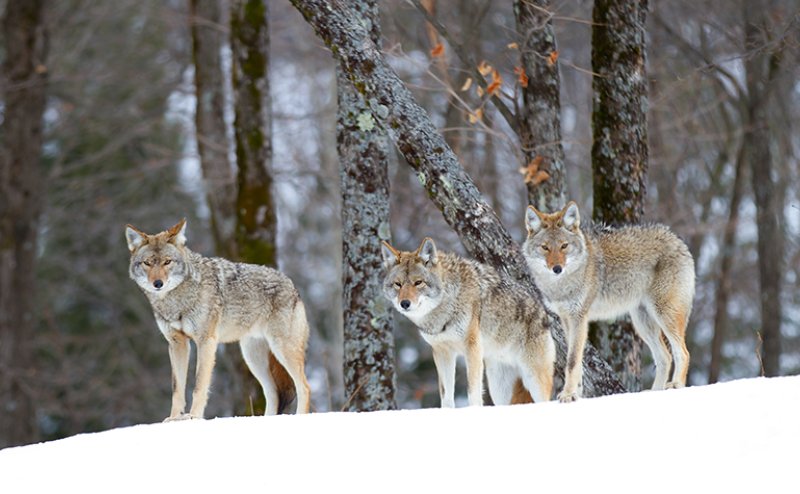
Large animals such as moose, deer, urban coyotes, and even the occasional bear, cougar and wild boar in the city are the responsibility of Alberta Fish and Wildlife Officers.

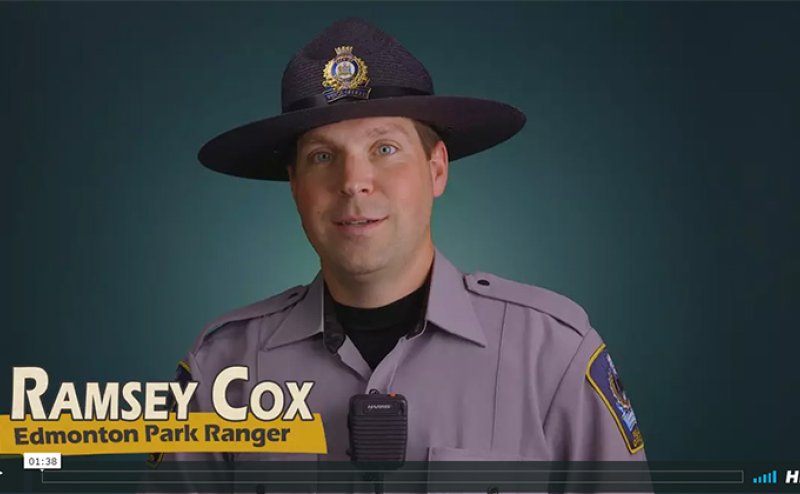
The City's Park Rangers and the police are normally called to assist the Wildlife Officers in situations involving potentially dangerous wildlife.

Call the Edmonton district office at 780-427-3574 or the coyote information hotline at 780-644-5744.

Learn more about urban coyotes and their beneficial role in the city as scavengers.

Wildlife Resources

These resources are designed to educate and raise awareness about the flora and fauna that are around the City of Edmonton.

Urban Forest

Edmonton's River Valley is one of the largest urban stretches of forest in the world!

Test your knowledge about urban forests!

Urban Wildlife

Coyotes and geese are 2 of the most common types of wildlife that call Edmonton home.

Urban Critters

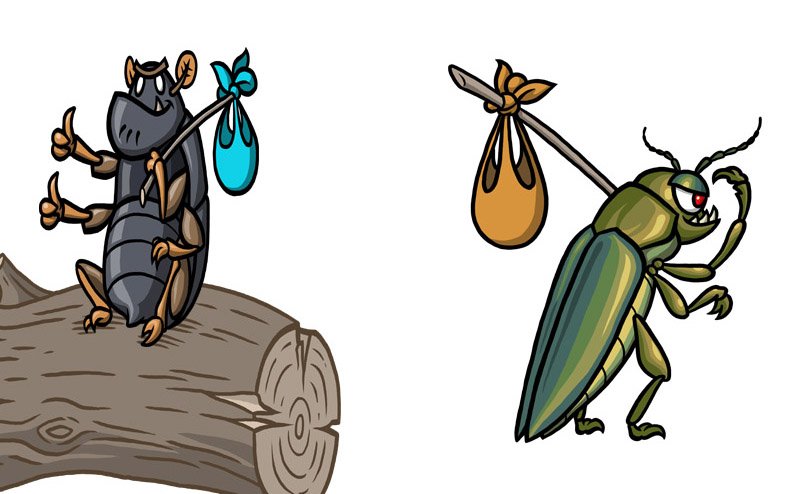
Insects and arachnids are an essential part of Edmonton's healthy and diverse ecosystem.

Notifications

Contact Us

Animal Care & Control Dispatch

Phone  311

Edmonton Police Service

Phone  780-423-4567 | 311