


Edmonton is filled with stories, people, groups and organizations that are all committed to enlivening and enhancing our community. Below you will find some community connections and interesting tales from your neighbours! Edmonton’s heritage is widespread and diverse, and there’s no end to the number of connections that can be made.
North Glenora Blues
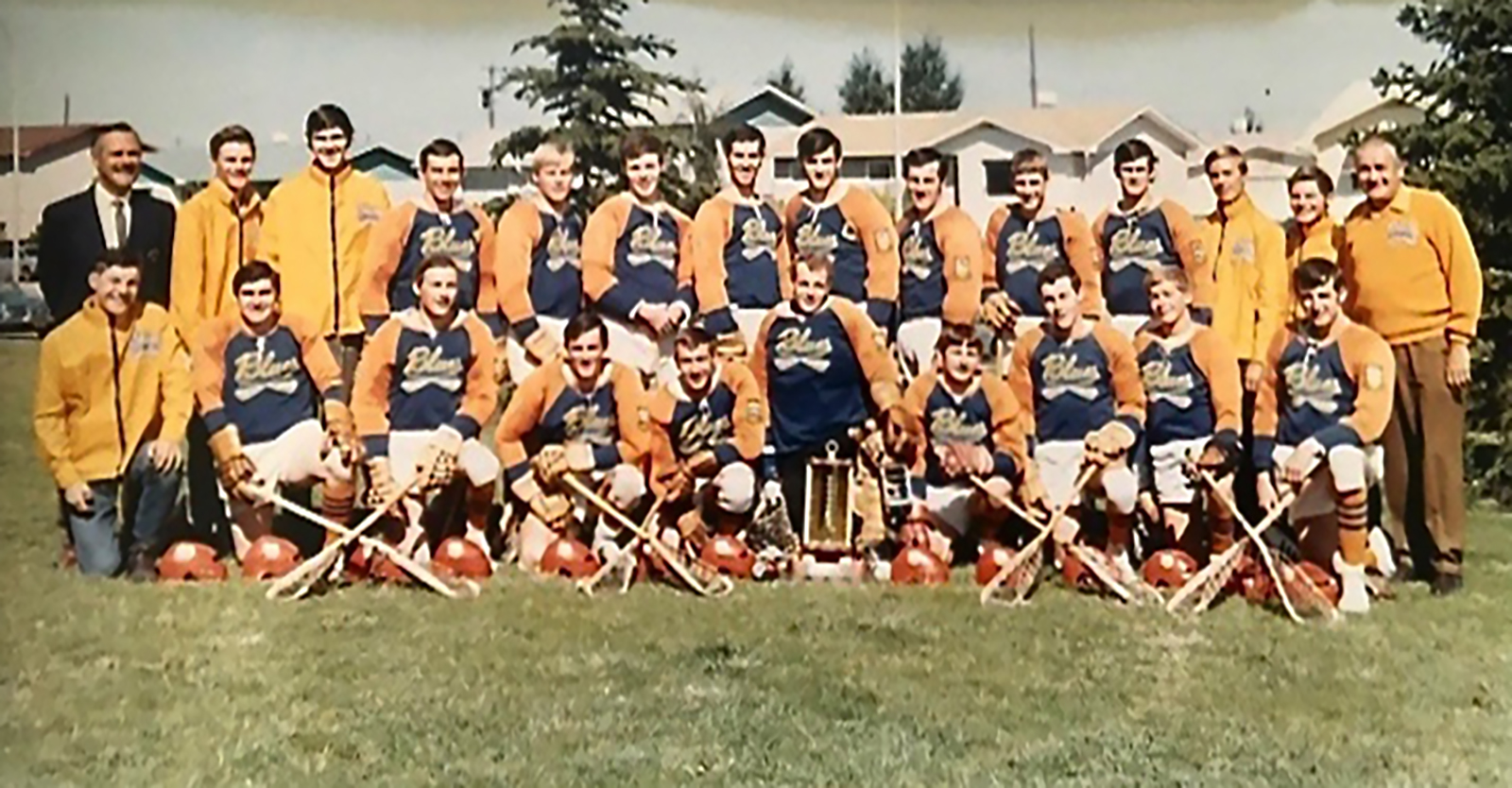
The North Glenora Blues were a local team that went the distance in Canada. Accomplishing many victories, the local community came together to support these athletes. To learn more about them, check out their website where you can also watch a documentary that was made to better tell their story.
“In 1965 a bunch of local North Glenora kids decided to explore a new game that was being introduced called “Lacrosse“. It looked fun, and we thought about giving it a try. It turned out that through lacrosse we bonded as friends and as a team dedicated to a sport in which we learned to love. We had no gameboys, no Xbox, and our virtual reality was catching and throwing a ball and the skills that came with it and to learn to play physically. Over the years, the team became even closer, and through road trips and competitions, the bonds increased to the point that even 50+ years later, we still get together and still talk about the great times we experienced. So you might say that lacrosse was one of the best things in our lives.”
Source: John “Shoes” South, Goalie for the North Glenora Junior B Lacrosse Team
Sixties Scoop
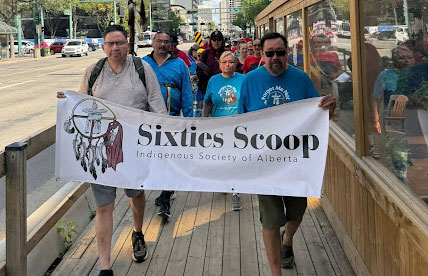
Since 2022, the society has been delivering a workshop titled ‘What was lost’. This experiential exercise has been created as a joint effort between the society and the Government of Alberta that allows participants to stand in the shoes of a survivor to better understand their story. This workshop is currently only offered to Child and Family Services, but there are ongoing discussions on implementation with the Edmonton Police Service, Alberta Health Services and the Alberta BAR Association.
The work of the Sixties Scoop Indigenous Society of Alberta is ongoing. The society focuses on sharing knowledge and life experiences of the Sixties Scoop and offers information sessions, workshops, exhibits and has even produced documentaries with perspectives from survivors.
In 2017, the Ontario Superior Court ruled in favour of Sixties Scoop survivors, finding that the federal government did not take adequate steps to protect their cultural identity when they were taken from their homes. Seeing this, Adam North Peigan grew determined to have the Provincial Government of Alberta issue an apology for its role in the Sixties Scoop.
The initiative started in his basement, where a letter writing campaign was launched. Almost immediately he found numerous other survivors and allies who wanted to help.
From that campaign, the Sixties Scoop Indigenous Society of Alberta (SSISA) blossomed and was officially incorporated on April 18th, 2017.
The Mary Burlie Black Angel Society
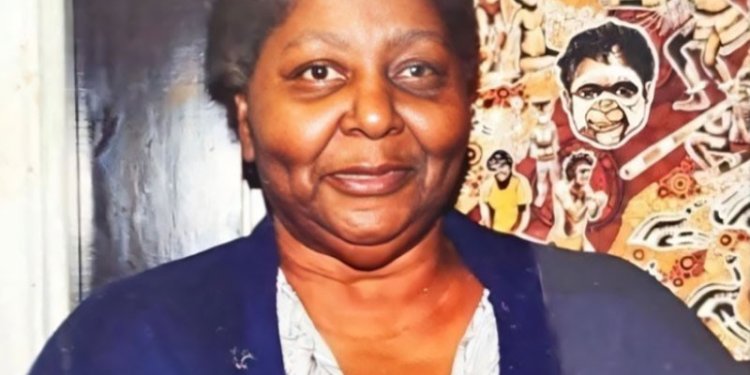
In 1999, Mary Burlie Park was named in her honour as an important reminder of the value that she brought to the City of Edmonton.
The Mary Burlie Black Angel Society was created to continue her legacy of community advocacy and support. The society does this work through ongoing care, compassionate housing, and aiding individuals as they rise above life’s challenges and move toward a future filled with hope.
To learn more about the history of Mary Burlie and of the society, please visit The Mary Burlie Black Angel Society.
When Mary Burlie first arrived in Edmonton in 1969, she came with a passion and desire to help support and foster the community around her. Starting her work as a volunteer with the Boyle Street Co-op, she spent countless hours supporting people within her community.
Over time her presence and passion was noticed and recognized. She empathized with the people she helped because she faced similar struggles in her life and knew that everyone deserved dignity and respect.
Even when she passed away in 1996, she was remembered as an ‘Angel’ to the people she had helped support.