

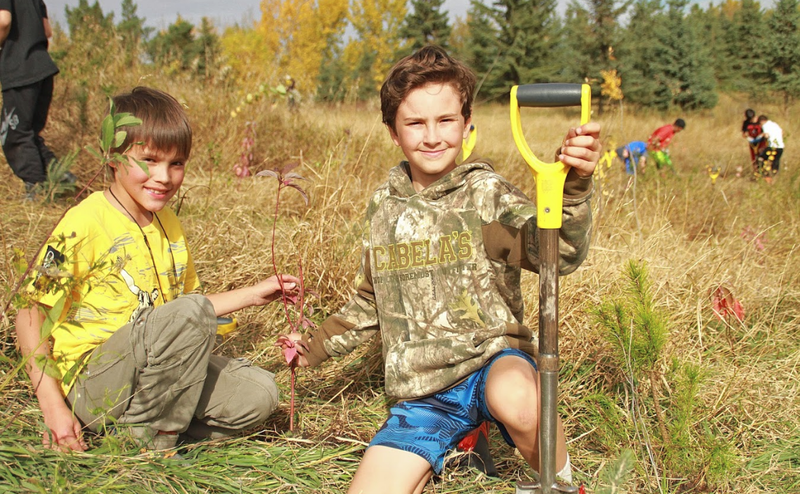
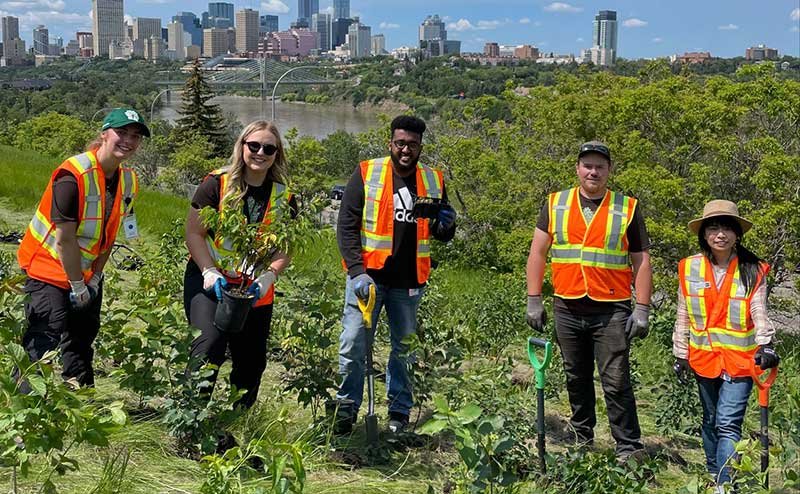
The Grow Together program offers communities the opportunity to partner with the Urban Forestry team to plant new trees in their neighbourhood.
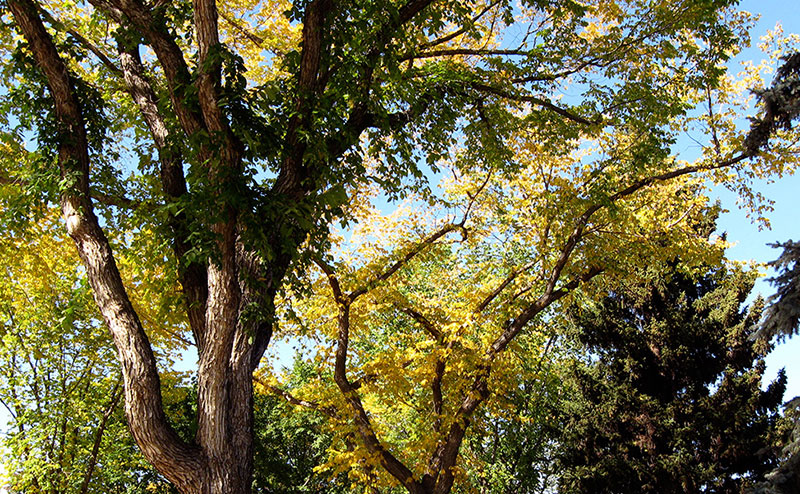
The City values its urban forest, actively expanding and preserving it. Careful management and education ensure lasting benefits for future generations.
As Edmontonians, we value and understand the importance of the city’s urban forest. Edmonton’s trees provide many environmental, ecological, economic and social benefits. These include:
- Sequestering greenhouse gases
- Reducing damage from stormwater
- Providing wildlife habitat
- Reducing costs for winter heating and summer cooling
- Promoting a sense of well-being and positive mental health
Canopy Growth Update
Evaluated using 2025 aerial imagery, asset GIS inventories and LiDAR (Light Detection and Ranging) 3D mapping, the 2026 assessment confirms a 1.5% point increase from the 13% recorded in 2019.
- Edmonton’s canopy coverage was first measured at 10.3% in 2012
- Subsequent evaluation in 2019 using standardized LiDAR datasets showed an increase to 13%
The overall canopy expansion reflects positive momentum toward the City of Edmonton’s long-term target of 20% canopy cover by 2071.
Edmonton's tree canopy growth is driven by targeted municipal planting programs, active preservation in key ecological corridors like the River Valley and enforcement of the Public Tree Bylaw (see Bylaw Lookup). This progress is further supported by proactive tree maintenance, integrated pest management and ongoing stewardship and preservation from private landowners across residential and commercial properties.
Because Edmonton’s local landscape is predominantly aspen parkland and prairie grassland, ecosystems that naturally feature lower tree canopy density, the City's 20% goal represents an ambitious standard for an urban centre.
To maintain progress toward its 2071 target, the City of Edmonton is currently developing a new Urban Forest Management Plan (UFMP). This plan will build on the strategic direction of the Urban Forest Asset Management Plan (UFAMP). In alignment with UFAMP recommendations, the goal is to do high-resolution canopy cover analysis every 4 years.
Public Tree Permit
- Are you planning any construction or demolition work?
- Does this work require laydown sites or site access within 5 meters of any City-owned trees or within 10 metres of a natural area?
If you are coordinating any activities on or off City property that may have an impact on City trees, take the necessary steps required to preserve and protect City trees.
City Trees - Boulevards and Parks Map
Explore our list of trees owned and maintained by the City of Edmonton.
Community Planting and Educational Programs
The City offers community planting programs for residents and groups to help grow Edmonton's urban forest. Several options exist for planting trees on public property to expand the forest.
Grow Together Program
Commemorative Tree Program
Honour loved ones or celebrate special occasions through a commemorative plaque and pedestal displayed near a newly planted tree in the City’s parks and open spaces.
Request to Plant Trees
Interested in planting trees on public property? Submit a proposal.
Tree Donation Program
The Tree Donation program offers residents an opportunity to donate a privately-owned tree to the City for planting on public property.
Parts of the Urban Forest
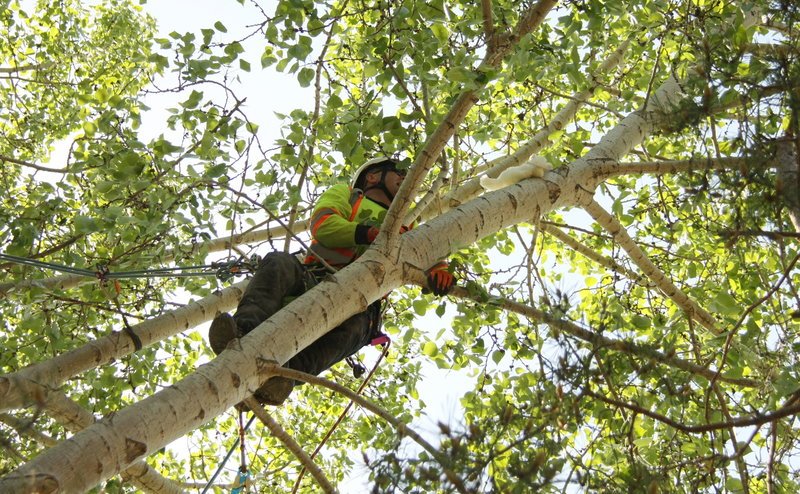
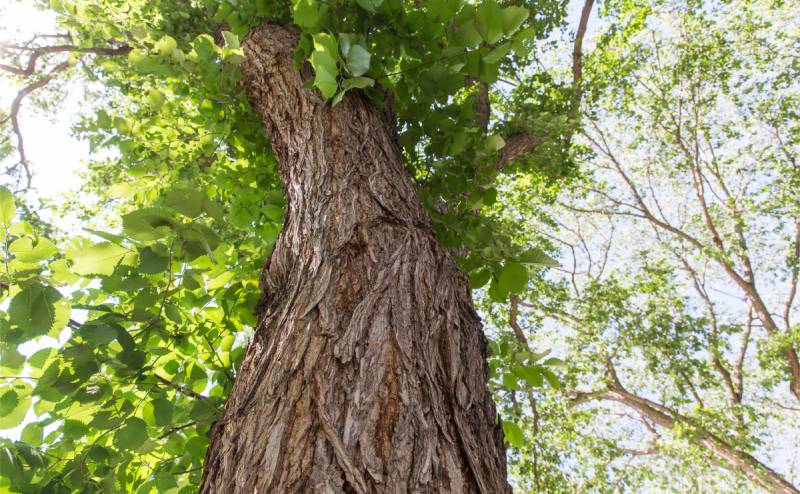
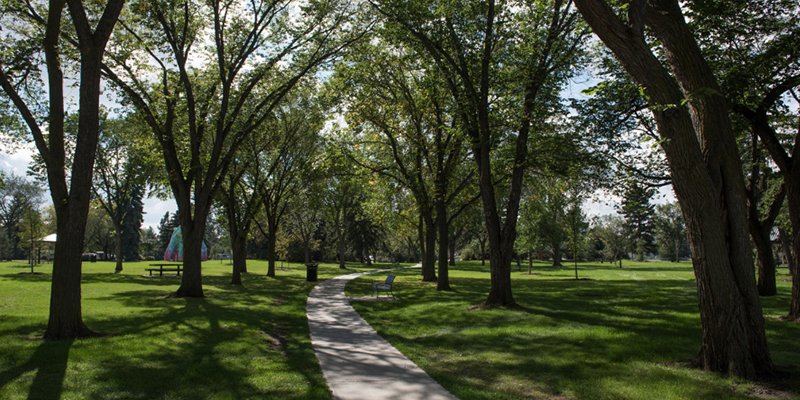
Edmonton’s urban forest includes all the trees within our city. The City of Edmonton manages all trees on City-owned land, including:
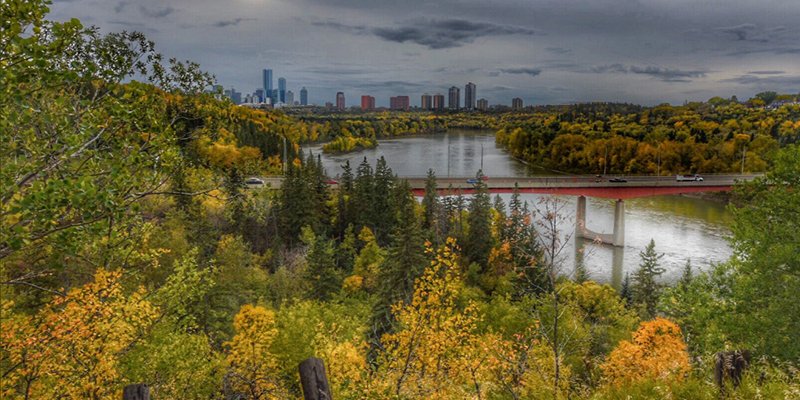
Natural Areas
A natural area is an area of land or water that is dominated by native vegetation in naturally occurring patterns. This includes grasslands, forests, shrublands, wetlands, and riparian areas, which are areas along rivers or streams.
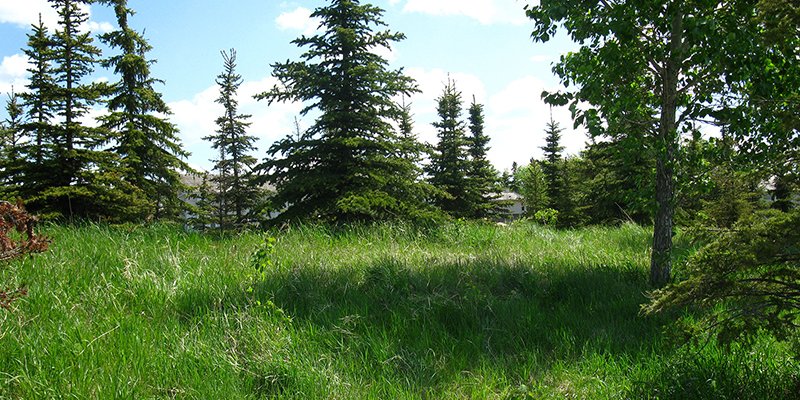
Naturalized Area
Naturalization is an ecological way of managing the landscape, transforming land with a manicured aesthetic to a more natural state. Within some naturalized areas, we will plant native species of trees, shrubs and wildflowers.
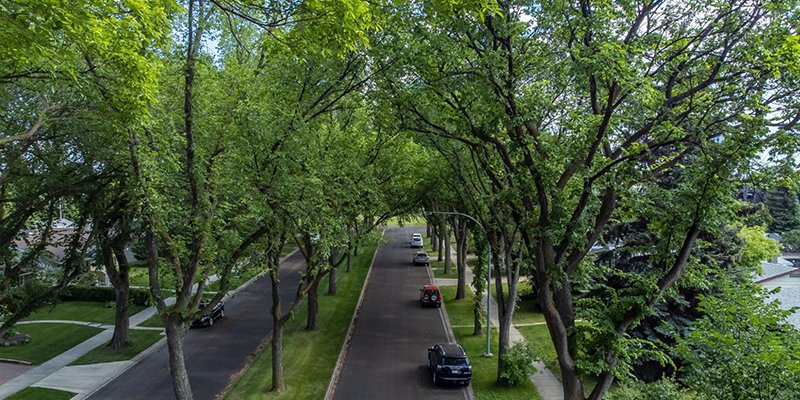
Boulevard Trees
Boulevard trees are maintained trees growing on City-owned property such as boulevards and right-of-ways, except for trees in natural areas or in a naturalized site.
Open Space Trees
Open space trees are maintained trees growing on City-owned property such as in parks, except for trees in natural areas or in a naturalized site.
Plan, Policy and Procedure
The City is committed to growing, sustaining, maintaining, preserving and protecting our urban forest. To ensure these goals are met, the City has developed guiding policies and procedures:
Urban Forest Management Plan
The Urban Forest Management Plan outlines key principles, objectives and strategies.
Corporate Tree Management Policy and Procedure
The Corporate Tree Management Policy and Procedure outlines roles and responsibilities in managing the City of Edmonton Urban Forest and outlines mechanisms to ensure preservation and protection. The Policy will be applied using the Guidelines for Evaluation of Trees and the Natural Stand Valuation Guidelines.
Tree Preservation Guidelines
The Tree Preservation Guidelines provide information on how to preserve and protect trees before, during, and post construction or demolition to prevent or minimize the likelihood of tree loss or damage.
Contact Us
311 Contact Centre
Phone 311 | Outside Edmonton and Video Relay Service (VRS): 780-442-5311 | TTY 711