

Edmonton is investing in an integrated LRT network that supports our growing population, improves mobility and provides sustainable transportation options for the future. As we continue to grow, LRT plays an important role in connecting Edmontonians to jobs, education, healthcare, recreation and other destinations across the city.
The City’s LRT network has evolved from a primarily suburban commuter system to a more urban transit network that is better integrated with surrounding communities. This approach is shaped by the LRT Network Plan and includes:
- Stops and stations that are more closely connected to neighbourhoods and destinations
- Stronger connections to walking, cycling and the broader transit network
- Enhanced streetscaping and urban design along LRT corridors
- Transit infrastructure that supports redevelopment and city-building opportunities
Edmonton's LRT system includes both high-floor and low-floor technology. Together, Edmonton’s existing and future LRT lines will help create a more connected, efficient and resilient transportation network that supports long-term growth.
High-Floor LRT Vehicles
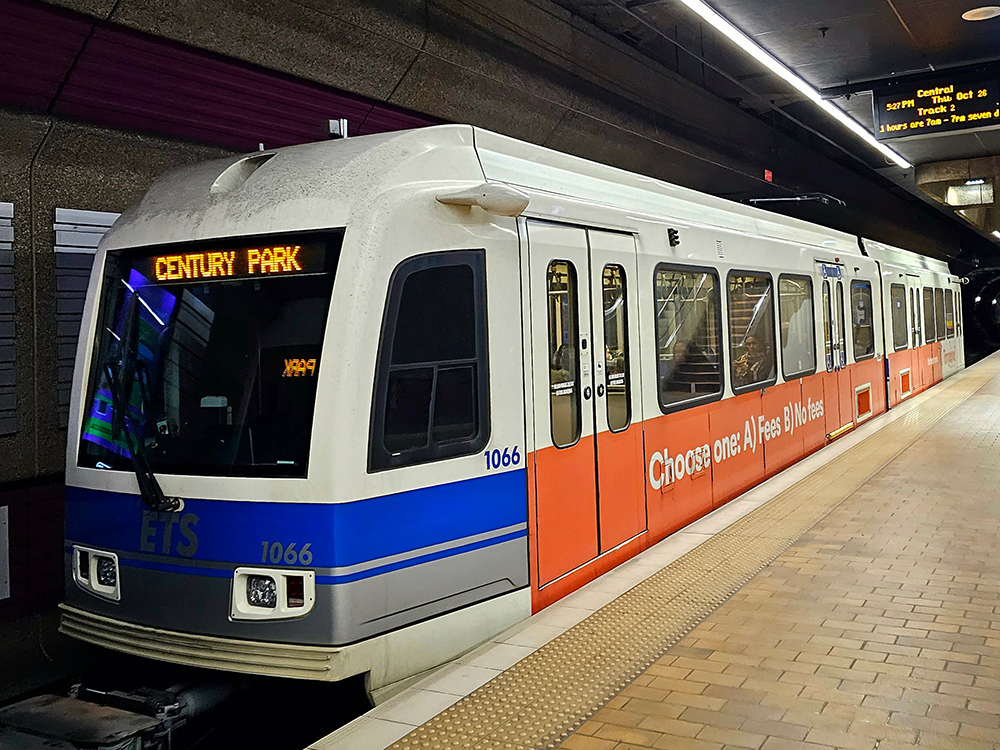
High-floor LRT vehicles operate on Edmonton's Capital and Metro lines. These lines require raised platforms because much of the vehicle equipment is located beneath the passenger floor. High-floor systems are well-suited for longer-distance travel and can accommodate larger stations.
Low-Floor LRT Vehicles
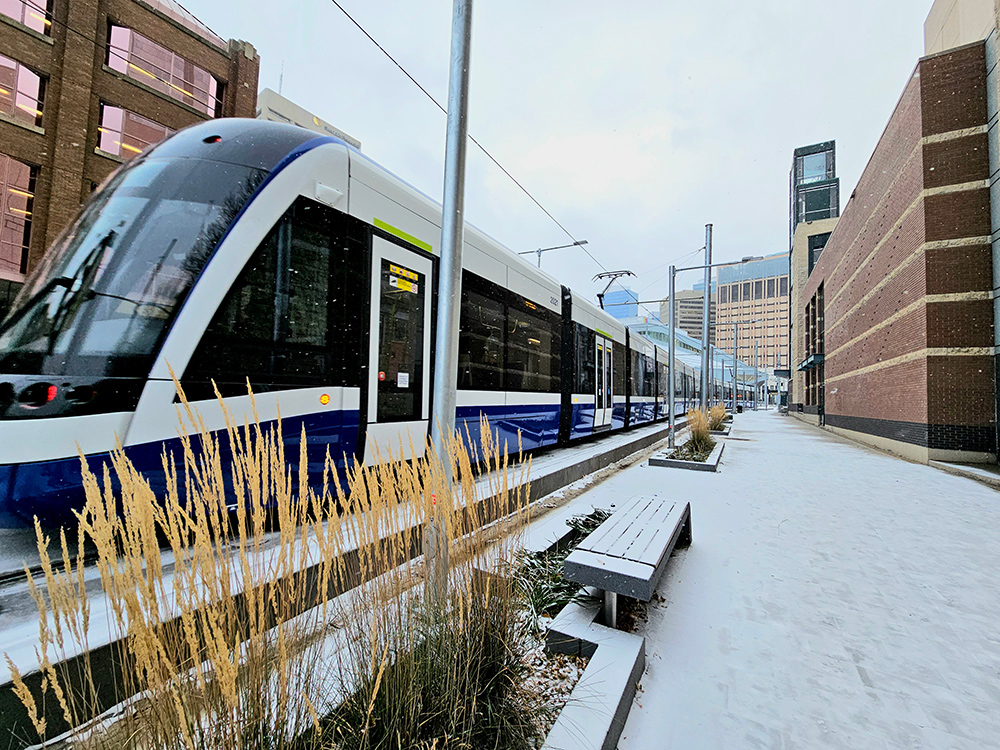
Low-floor LRT vehicles operate on the Valley Line. These vehicles are designed for street-level boarding, with most equipment located on the roof of the train. Low-floor systems are commonly used in urban environments because they integrate well with surrounding communities, allow stops to be located closer together and provide convenient connections for pedestrians and cyclists.
Contact Us
LRT Projects Information Centre
General project inquiries
Email lrtprojects@edmonton.ca
Phone 780-496-4874 (voicemail) or 311