Lucy Health Update 2023
Dr. Frank Goeritz and Dr. Thomas Hildebrandt - October 5, 2023


Please choose between the following three options:
Skip to main menu Skip to site search Continue to current page menu and content
Main page content begins here

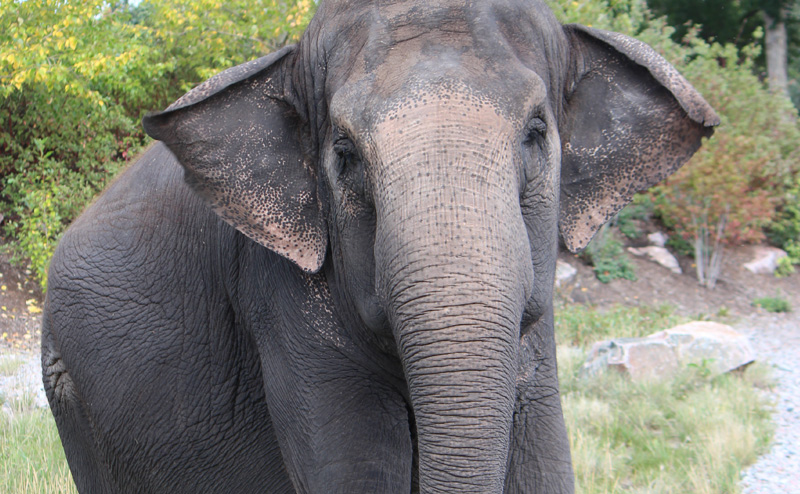
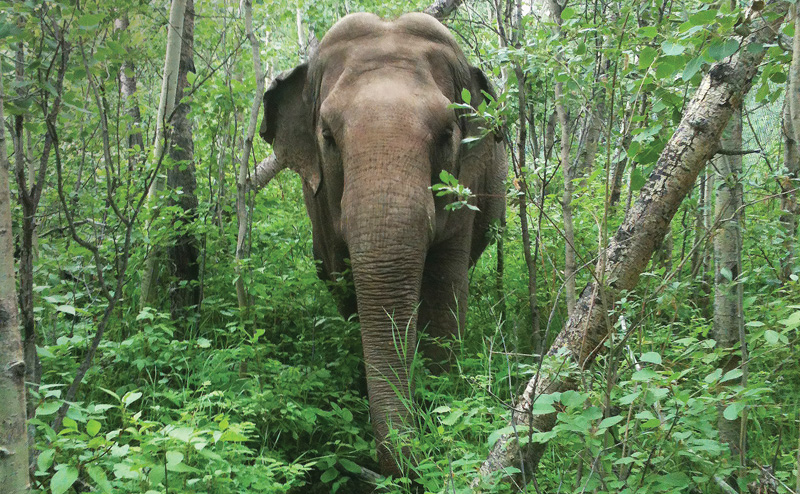
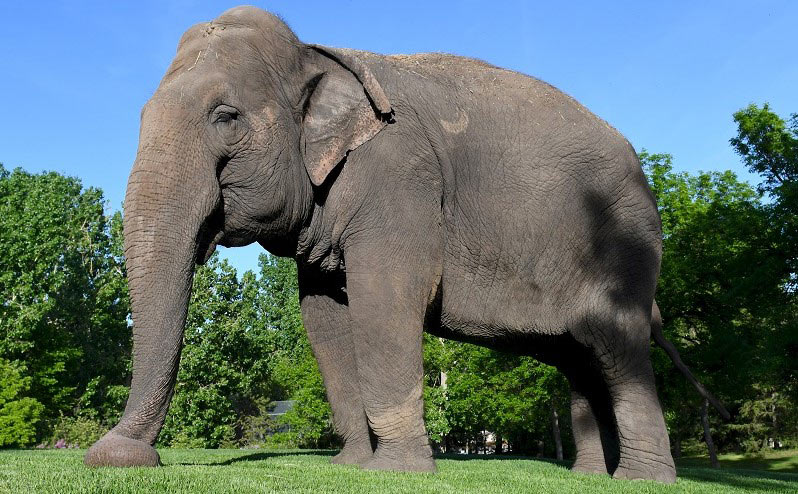
The Edmonton Valley Zoo is home to an Asian elephant named Lucy, who has been the subject of great attention. Lucy was orphaned in Sri Lanka and was brought to the Edmonton Valley Zoo in 1977 through partnership with the Pinnawala Elephant Orphanage and Colombo Zoo.
Lucy is a beloved member of the zoo family and the Edmonton community. She is looked after by a dedicated team of animal care professionals who work tirelessly to provide her with excellent care.
Dr. Frank Goeritz and Dr. Thomas Hildebrandt - October 5, 2023
Leibniz Institute for Zoo and Wildlife Research
Dr. Goeritz is also the senior scientist in the department of Reproduction Management at Leibniz. He is a member of the Royal College of Veterinary Surgeons (MRCVS) in London, UK, and a European Veterinary Specialist in Zoological Medicine (Zoo Health Management). Among other things, he specializes in wildlife anaesthesia and wildlife reproduction. Dr. Goeritz consults and provides veterinary care for many international wild animal welfare projects.
Dr. Hildebrandt heads the department of Reproduction Management at Leibniz-IZW and is full Professor of Wildlife Reproduction Medicine at Freie Universität Berlin. He is certified as a zoo, wildlife and game veterinarian, and has served on numerous advisory bodies in Europe and elsewhere. Dr. Hildebrandt has published 153 papers, written 24 book chapters, given more than 212 presentations and has 5 patents.
Edmonton Humane Society confirms zoo complies with legislation in caring for Lucy
Lucy is 48 years old.
Lucy arrived at the Edmonton Valley Zoo on May 19, 1977, from the Pinnawala Animal Orphanage in Sri Lanka. As she was an orphan, she was assessed developmentally and was believed to be about two years old at that time.
The Edmonton Valley Zoo recognizes her birthday each year on Canada Day.
In the morning Lucy's care team meets to discuss her day – walk times, her meals, physical therapy, play time – all the things that she will do that day. The team does this every morning, as it is important to vary her schedule daily to ensure she is intellectually stimulated and not bored from rigid routines.
Care staff enter the building quietly in the morning to see if she is awake. They keep the lights low until she is fully awake.
When Lucy wakes up, she likes to say good morning by having her tongue rubbed. This is a common way for elephants to say hello.
Staff will also check her sand pile where she sleeps. If there is a perfect imprint of Lucy's body, they know she has had a deep sleep. This is most often the case. The elephant house also has CCTV monitors and staff review them daily. If Lucy has not had a deep sleep, her care staff will pay close attention to Lucy to see if there is a reason why she may have been disturbed.
It's important to take into consideration an elephant's size and frame when considering a meal plan.
Lucy's daily meal plan incorporates a variety of hay, herbivore pellets, and vegetables. Lucy's care team ensures she is eating a healthy diet and getting the nutrients she needs. We have recently increased the amount of browse she gets and have added young coconuts into her diet.
As elephants would need to forage in the wild, Lucy's food is put in high places, inside containers, or in various areas inside and outside of her barn so she must walk around a large area to find her food.
Lucy has fresh water to drink all day. Although Lucy has two bath tub size water containers for her drinking water, she enjoys drinking from a hose. Sometimes she wants the care staff to hold the hose for her and other times she does it on her own.
Each day Lucy goes for long walks and does a variety of exercises. Lucy's exercises help her maintain a good range of motion in her joints.
Lucy takes several walks throughout the day to exercise her muscles and stimulate her brain. This means hills and valleys to stretch all of her muscle groups; this also forms part of her physiotherapy to treat her arthritis. She does exercises with her care staff and plays games. She likes to play hide and seek where she searches the wooded area for her caregivers. When she finds them she makes an announcement with a rumble or a roar.
Lucy is very careful with her movements. When ready to back up, she will stretch her back leg out to check and see if anyone is behind her.
Usually Lucy is showered every few days, but will bathe more frequently in hot weather.
Every inch of Lucy is scrubbed with large and small brushes. When the scrubbing is complete, the zoo staff rinse her back, but she likes to rinse her front herself. If she puts the hose down, it doesn't mean she is finished rinsing! The care staff will ask her if she is done before they put away the hose.
In the cooler months, Lucy's body must be completely dry before going outside, so the staff will play games with her until she is dry and ready for her walk.
Lucy has quiet time before bed during which staff will periodically check on her. Before her care staff says good night, she has a snack. The lights are then turned off so she can peacefully sleep.
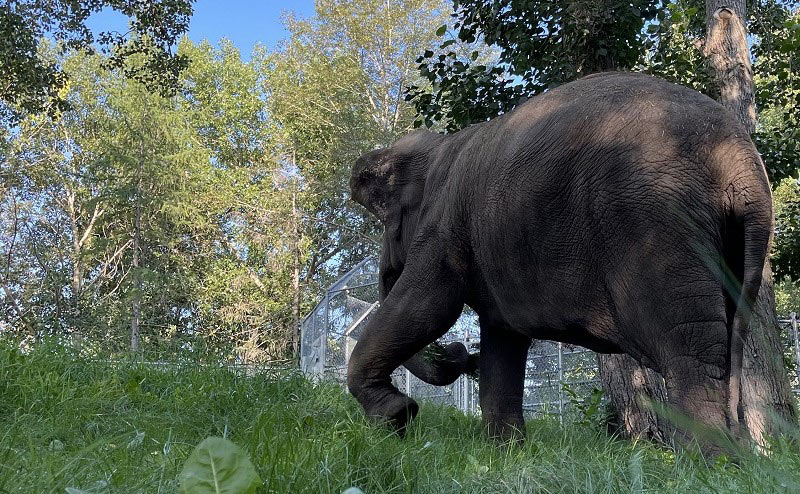
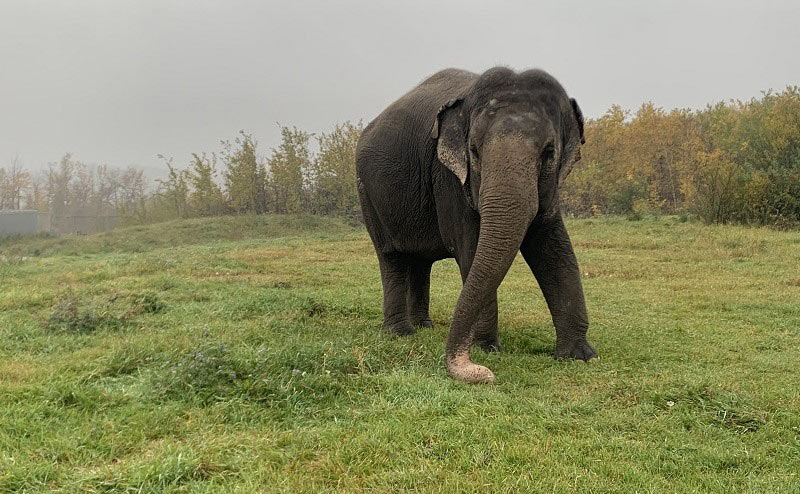
Lucy is a lucky elephant - she gets to call the whole Edmonton Valley Zoo home! She is taken for long walks in the back pasture for hours at a time. For meals and sleeping, Lucy goes back to the elephant house where the floors are heated and slanted to drain away any water or urine. Lucy has three big rooms inside her house. In one room the floors are covered with sand, and in the main room the floor has a rubberized coating.
The building is also heated from overhead with extra-large vents. The walls are textured to aid in skin care. After a bath she rubs against the walls to remove any dead skin.
She sleeps in one of the smaller rooms on a bed of sand that allows her to easily lie down and enjoy a comfortable sleep.
Lucy is a content and well-adjusted elephant with some manageable health issues, the most significant of which is a respiratory problem that makes it difficult for her to breathe at all times, and particularly when she is under stress. She breathes solely from her mouth, which is unique to her. Her breathing issue is well managed at the Edmonton Valley Zoo.
Lucy has recently been diagnosed with a large uterine tumour which is common for elephants that have not given birth. She is receiving medical treatment to reduce the size of the growth and address any possible discomfort it may be causing her.
Lucy also has arthritis. She receives excellent care in managing this condition including regular rehabilitation therapy and daily walks. Her therapy includes therapeutic laser treatments to mitigate the arthritis in her leg joints. Since this program was started in 2009, Lucy has shown steady improvement.
On her feet, Lucy has some pad defects that are the result of conformational defects – she was born pigeon-toed and bow-legged. As these issues put extra stress on Lucy's feet, her caregivers check the condition of her feet and provide regular foot care.
At 48 years of age, Lucy's health is stable and she has a fulfilling and comfortable life. However, she has a particularly complicated medical issue that must be acknowledged and responsibly managed.
Lucy has a breathing problem. Elephants usually breathe through their trunks. Lucy breathes through her mouth. Under stress, or during other times of increased need for oxygen, Lucy's ability to breathe is stretched almost beyond her capacity. It is imperative to keep her calm, quiet and properly managed to prevent any unnecessary or excessive stress.
Because of all of this, moving Lucy would be life threatening and the City of Edmonton is committed to making decisions in the best interest of Lucy.

13315 Buena Vista Road (87 Avenue)
PO Box 2359
Edmonton, Alberta T5J 2R7
Outside of Edmonton: 780-442-5311
| attractions@edmonton.ca | |
| Phone | 311 |