

- City crews will continue the ongoing monitoring and pruning program for susceptible trees and monitor areas impacted by black knot.
- With over 380,000 trees in the Open Space and Boulevard tree inventory, the most efficient management of disease-prone trees is a four-year pruning cycle. This allows for an annual focus on a specific quadrant of the city. To ensure the completion of this operational work plan, no pruning will be done outside the quadrant of focus.
- Pruning for black knot takes place between late fall to early spring when the tree and spores are dormant and when the knots are easier to see.
- Only City crews are authorized to prune infected trees on public property.
- Pruning tools and equipment are sterilized between each cut using an approved environmentally-friendly solution which prevents the spread of the disease.
- Diseased wood chips and logs are disposed of at the Edmonton Waste Management Centre or the Northland Recycling Centre, this ensures that the wood chips are not reused for tree planting or in shrub beds.
- While black knot is managed and pruned from Open Space and Boulevard trees, our natural areas are not managed for this disease as the overall risk to species affected by black knot is low. Black knot in Natural Areas will only be managed if the tree presents a safety risk to a target zone.
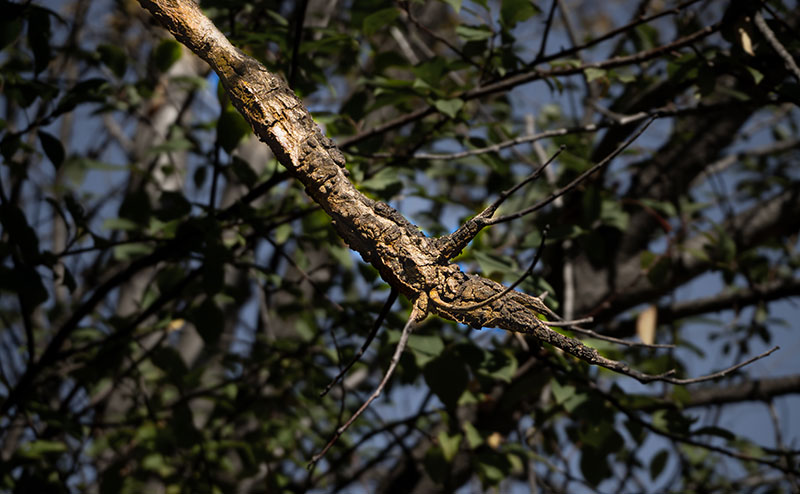
Black knot is an increasingly common disease. Early detection and sterile pruning is the most effective way of dealing with this problem.
Black knot (Apiosporina morbosa) is a fungal disease that causes greenish brown to black swellings in the stems of cherry trees (Prunus spp.). Its spores are released following periods of warm, wet weather and are spread by splashing water, wind, birds, and insects.
The Problem
Black knot deforms branches and reduces their growth. Heavily infected trees often become stunted and may eventually die from the disease.
What The City Is Doing
What You Can Do
Regularly monitor your cherry tree(s) for symptoms of black knot. Early on, the disease appears as small light brown swellings, usually found on new green stems. As the knots mature, the swellings will appear olive green with a velvety texture. Eventually, the knots darken and harden. If you detect black knot, follow the guidelines below:
- You can help to maximize the impact of the City’s black knot pruning efforts by ensuring trees on private property are pruned for black knot when your quadrant of the city is scheduled for black knot pruning
- Prune out the infected branches between late fall and early spring when the plants are dormant and the knots are easier to see
- Remove the infected branches to at least 15-20 cm (6-8 inches) below the knot
- It is best to prune an infected branch further back to the next branch or to the trunk, rather than leave a stub
- Sterilize your cutting tools between each cut using bleach to prevent further spread of the disease
- Destroy infected prunings immediately, as they can continue to produce spores for months after being removed; galls can be sealed in a plastic bag and placed in your black garbage cart for disposal
Black knot is not regulated through any legislation. It is a native plant disease that is well established throughout the province; consequently, it is highly unlikely that a regulation such as a bylaw would be able to help to eradicate the disease.
Contact Us
Pest Management
Phone 311 | Outside of Edmonton: 780-442-5311 | TTY: 780-944-5555