

Hangar 14 is a rare surviving example of hangar design from the World War II era and a memorial of Canada’s wartime experience.
Architecture
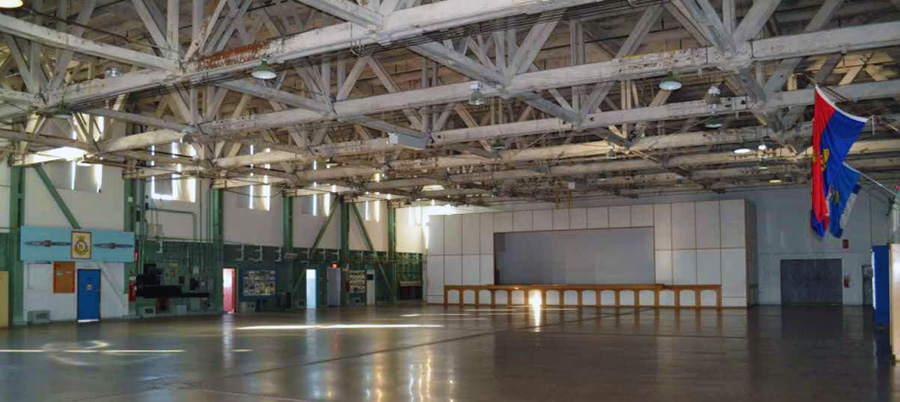
Built in 1943, Hangar 14 is one of the only remaining double-wide, double-long hangars in Canada. This is standard British Commonwealth Air Training Plan (BCATP) hangar design, which could be doubled in width or depth depending on the size of the school or facility required.
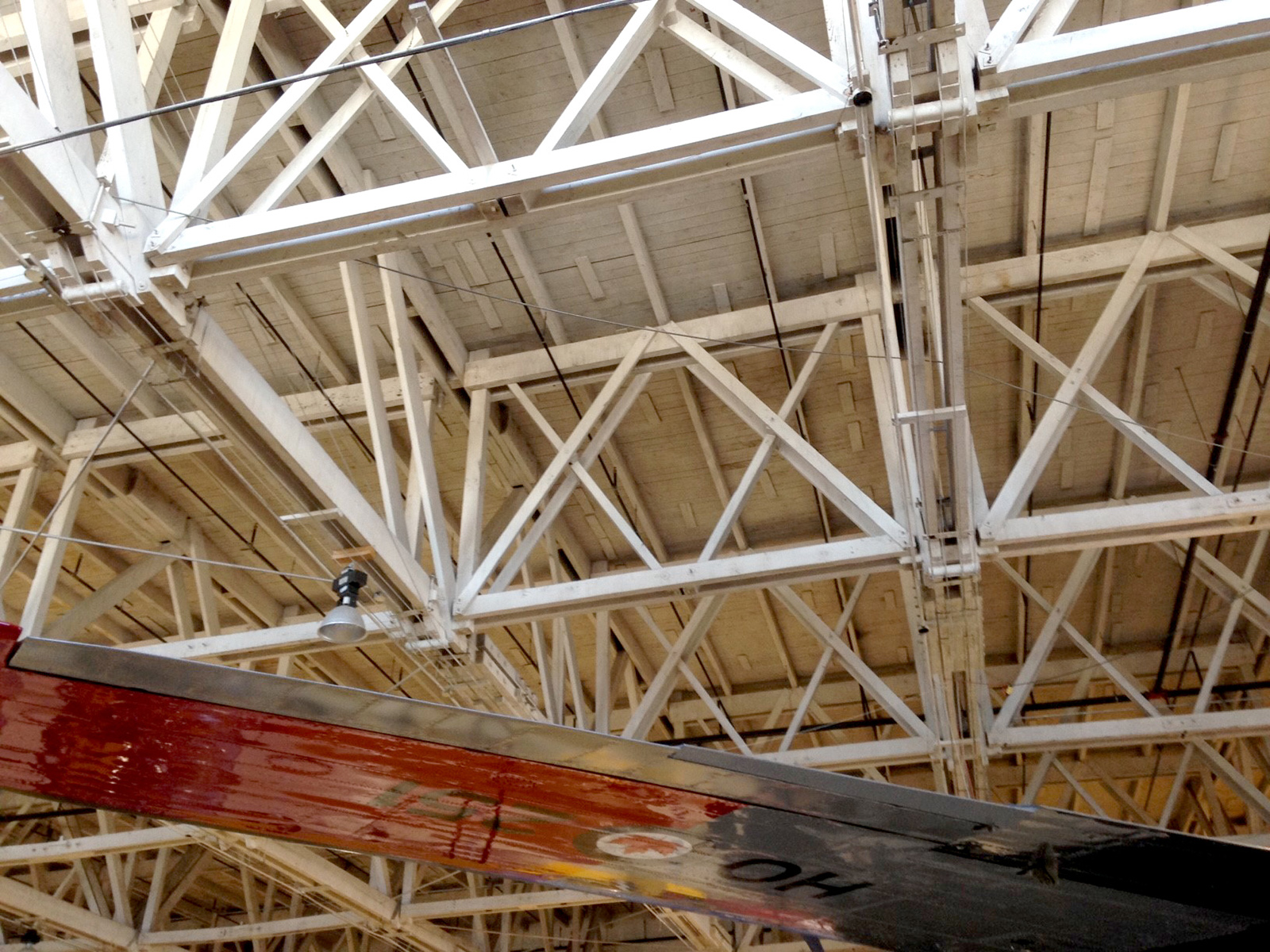
Its most notable architectural feature is the roof which is 34-metres wide without intermediate supports, using a modified Warren truss system. Developed in 1848, a Warren truss consists of parallel upper and lower chords with diagonal connecting members forming a series of equilateral triangles. Hangar 14 uses a Canadian-patented system of connection with steel-bolted joints and split-ring connectors, making the joints stronger than in traditional Warren truss systems. These trusses and the rigidly braced wood columns are built of Douglas Fir, due to the shortage of steel during wartime.
Integral to the wide-span design is the operation of the steel section doors on the end wall, which are top-hung and slide horizontally.

Air Observers School
British Commonwealth Air Training Plan (BCATP)
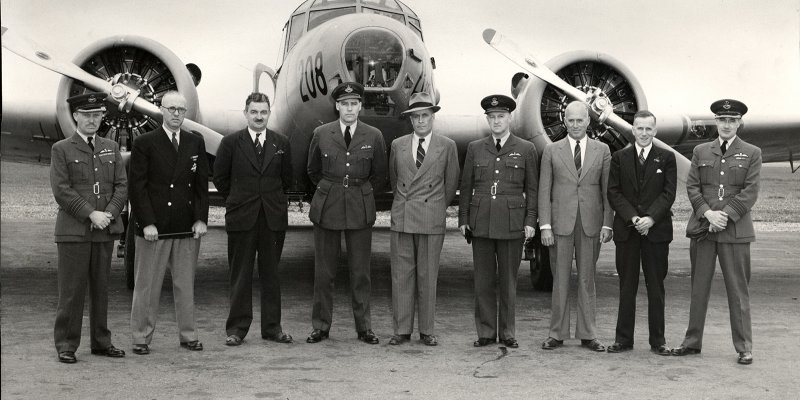
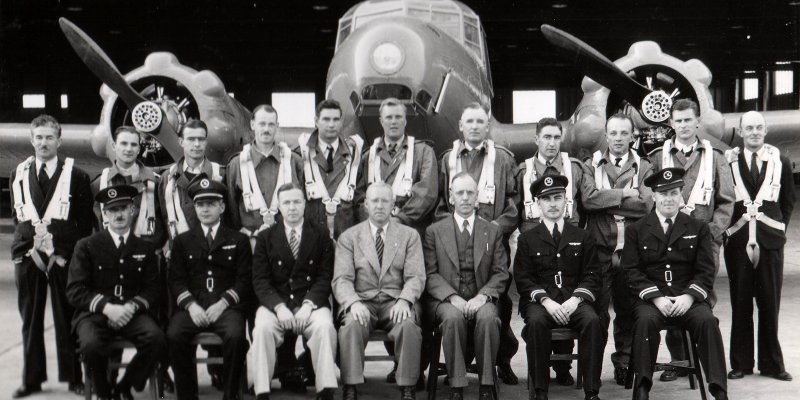
Hangar 14 was one of several facilities built across Canada during the Second World War to house training schools for aircrew. The training schools were built as part of the British Commonwealth Air Training Plan (BCATP), an agreement between Canada, Australia, New Zealand and the United Kingdom.
Further Reading:
Timeline
1940-1946
1940
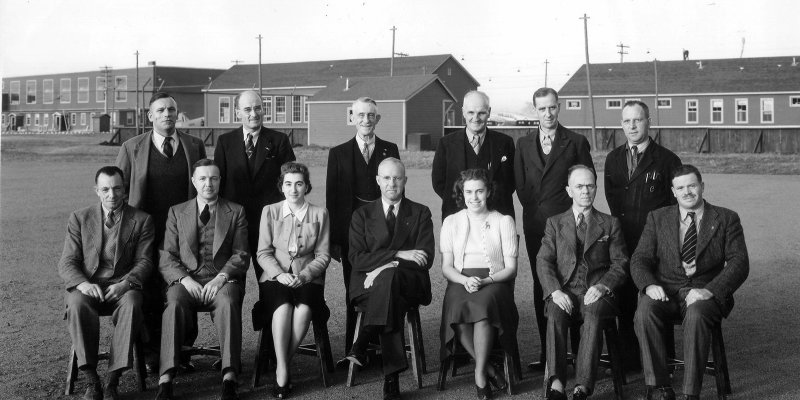
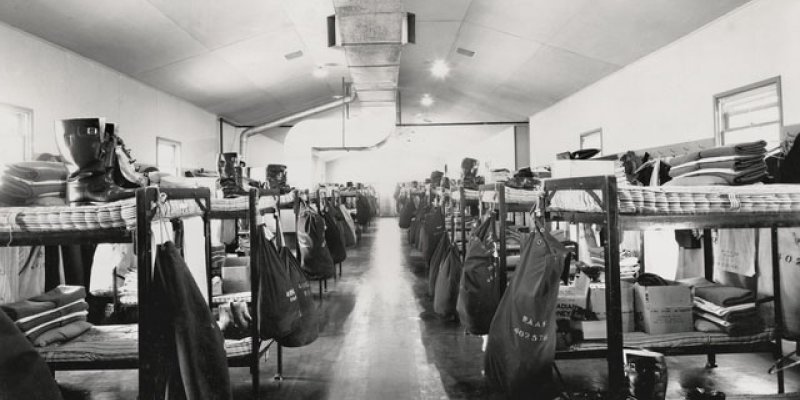
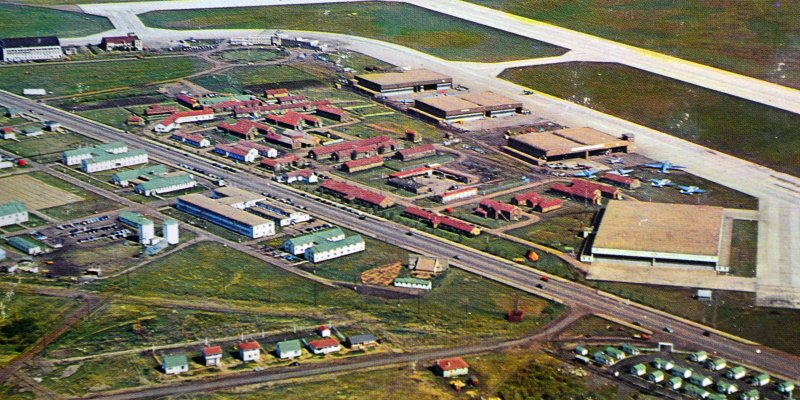
No. 16 Elementary Flying Training School (No. 16 EFTS) and No. 2 Air Observer School (No. 2 AOS) open at Edmonton's Municipal Airport, with new hangars, barracks and training facilities built by the federal government.
1942
No. 16 EFTS closes to accommodate an expanding No. 2 AOS, under general manager Wilfrid R. May "Wop May", a renowned bush pilot and champion of aviation in Edmonton.
He is one of the most famous figures in Edmonton aviation, best known for escaping the ‘Red Baron’ during World War I. As a result of his contributions to Canadian aviation, May was appointed as an Officer of the British Empire in 1935.
Further Reading:
- Wop May - The Canadian Encyclopedia
- Wilfrid Reid May - Canada's Aviation Hall of Fame
1943
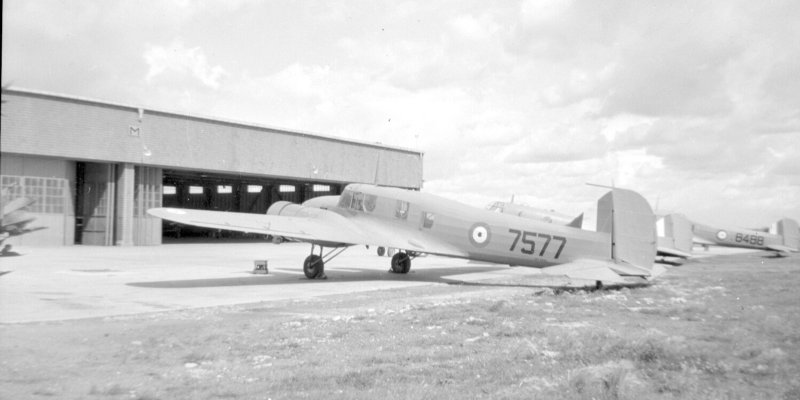
Further expansion of the Air Observer School saw the construction of their largest hangar, Hangar 14. Known then as "M" Hangar, it functioned as the maintenance and storage hangar for No 2. AOS until the school closed in July 1944.
Following the end of the Second World War, Hangar 14 (then "M" Hangar) was managed by the Royal Canadian Air Forces' North West Air Command as needed.
During this time, some of Edmonton's earliest Air Cadets mustered in the hangar - the beginning of the Air Cadets' history with Hangar 14 that continues nearly 80 years later.
418 City of Edmonton Squadron
1946-1957
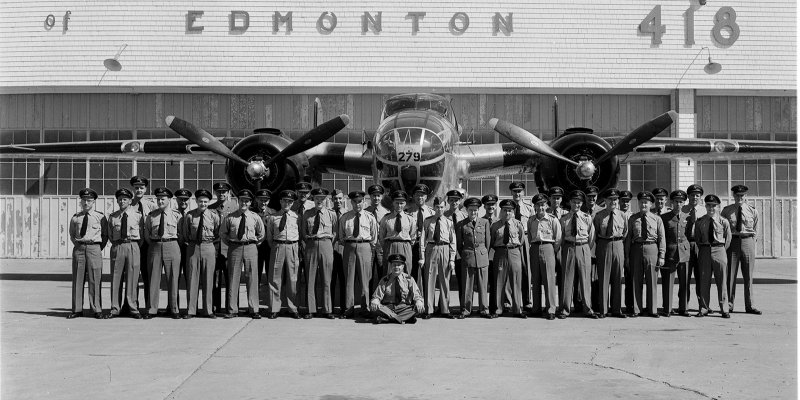
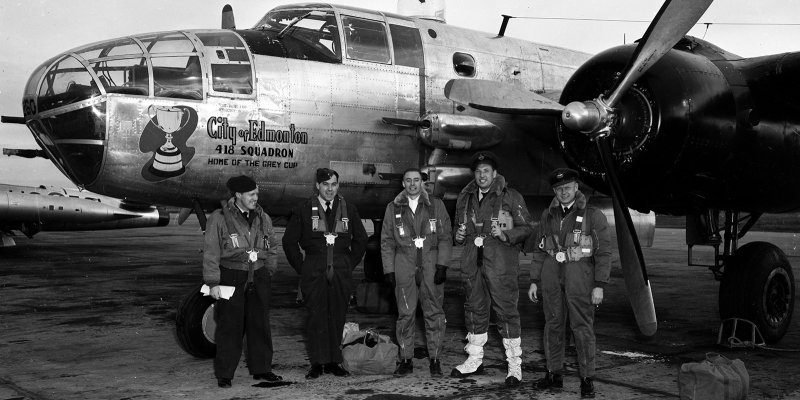
When the Royal Canadian Air Force reformed the famed 418 Squadron as an Auxiliary (Reserve) Squadron in Edmonton in 1946, they selected “M” Hangar to be their permanent headquarters.
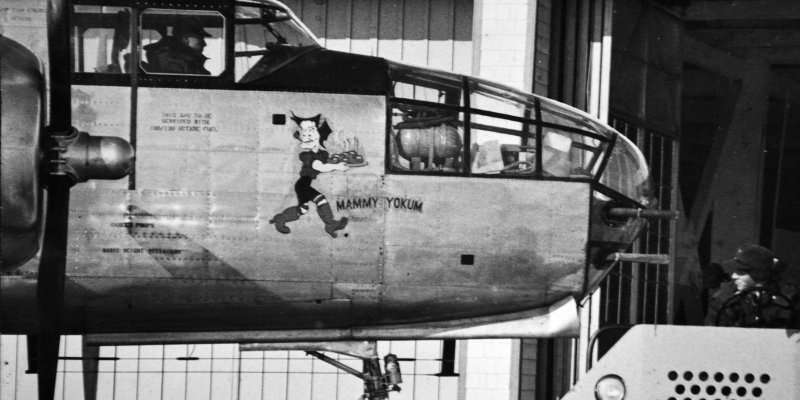
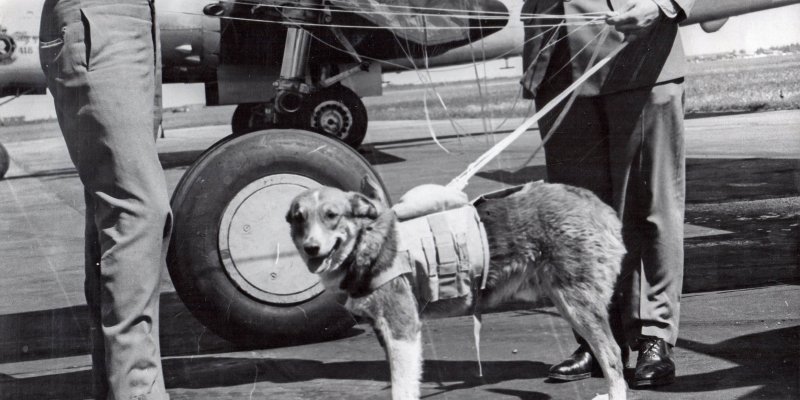
No. 418 Squadron operated from “M” Hangar (later renamed during this time to No. 6 Hangar) with a fleet of North American Mitchell medium bombers, Beechcraft Expeditor transports, and North American Harvard trainers.
Edmontonians from all walks of life flocked to the reserve squadron, including Second World War veterans, and young men and women who had been too young to serve.
Flying on evenings and weekends in addition to maintaining full-time employment, 418 Squadron drilled for the defence of northern Canada against a looming Soviet threat. Up to a dozen B-25s were housed in 418 Squadron’s expansive hangar.
Pacific Western Airlines
1958-1960
Pacific Western Airlines (PWA) leased No. 6 Hangar after the Royal Canadian Air Forces relocated military assets from Edmonton Municipal Airport to Namao.
In addition to rapidly expanding passenger service, PWA carried supplies and heavy equipment.
City Ownership
1962-1989
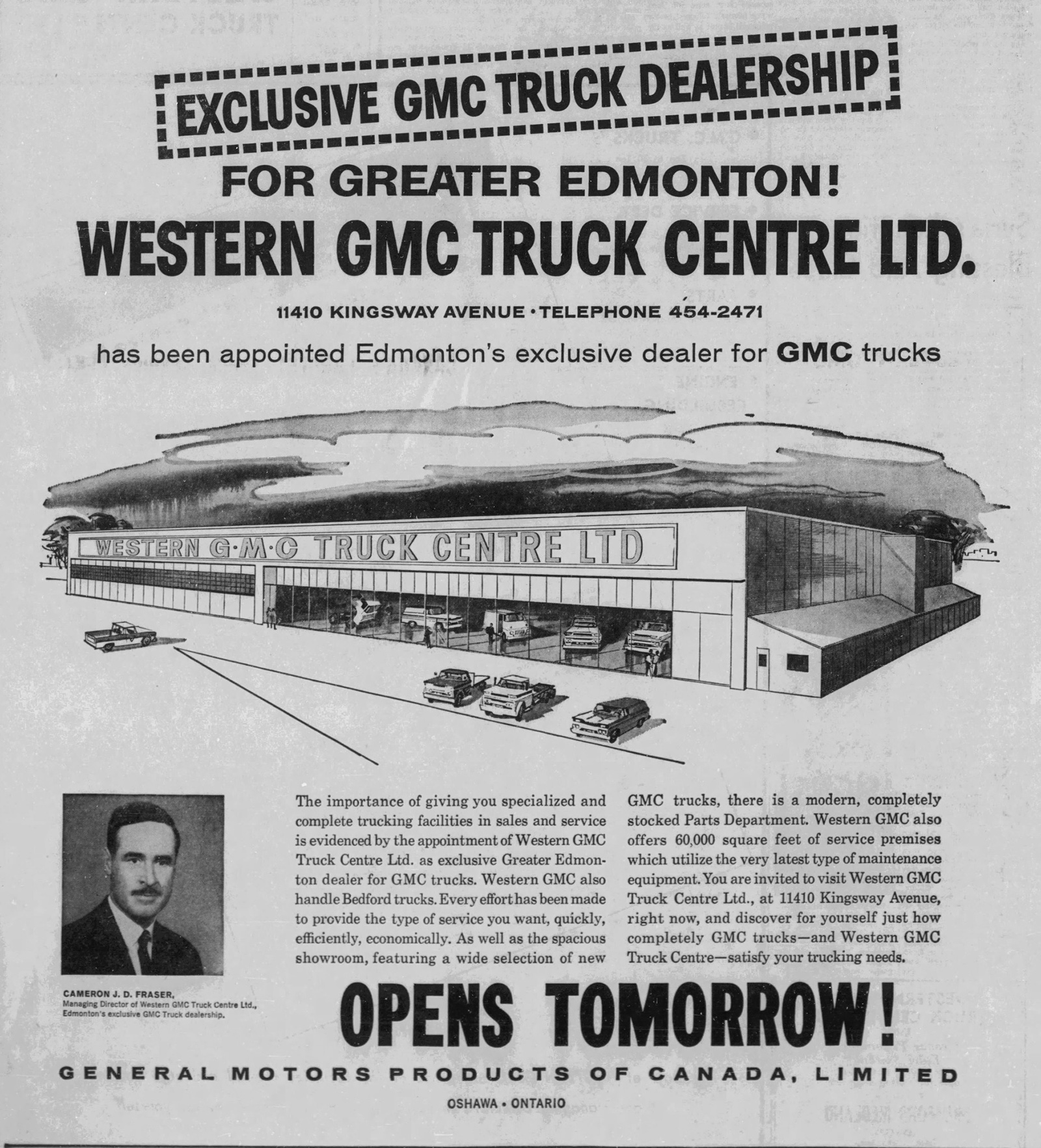
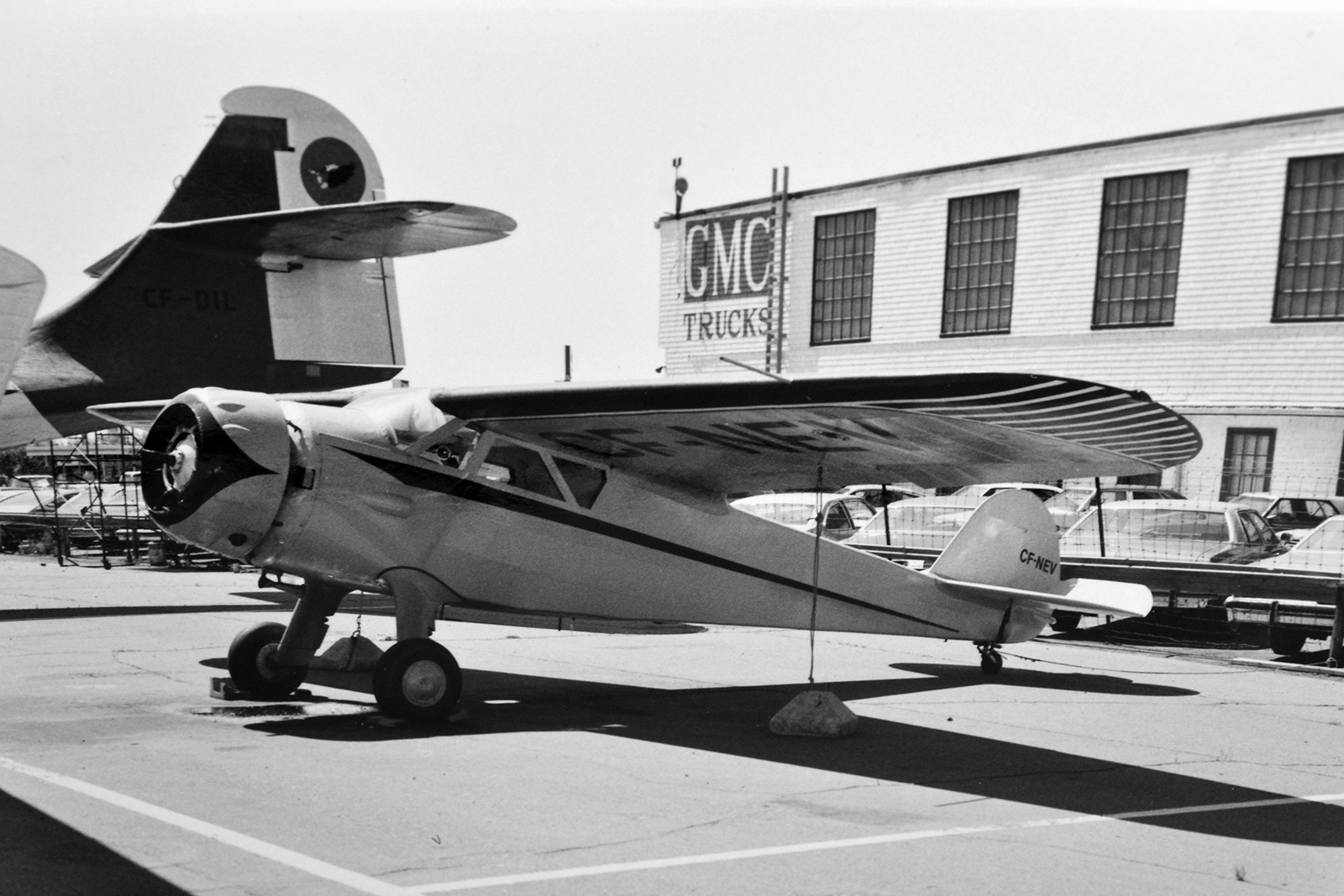
With ownership of Hangar 14, then Hanger No. 6 passing to the City of Edmonton from the Department of Defence, the first long-term tenant was Western GMC, who used the hangar as a truck and car dealership for more than 20 years, before moving to a new facility in the mid 1980s.
Short-term leases for large car auctions followed through the late 1980s, as well as Lex Miller's Alberta Transportation Museum in 1989.
Alberta Aviation Museum Association & Edmonton Aviation Heritage Society
1990-1992
Incorporated as a society in 1980, the Alberta Aviation Museum Association had been pursuing a dream of building a permanent museum to showcase Alberta’s aviation history.
1990-1991: Edmonton Aviation Heritage Society
With the larger hangar on Kingsway empty (now known as Hangar 14), they approached the City of Edmonton for a long-term lease. Since the association had only 1 aircraft at the time – not nearly enough to fill the 80,000-square-foot hangar, the City asked the museum to partner with other aviation groups. The resultant umbrella organization – the Edmonton Aviation Heritage Society - included the museum as well as Air Cadets, veterans’ associations, flying clubs, and amateur aircraft builders.
Finally, on the 28th of May 1991, Edmonton City Council agreed to lease Hangar 14 to EAHS for $1 per year for 25 years.
1991-1992: Renovation and Renewal
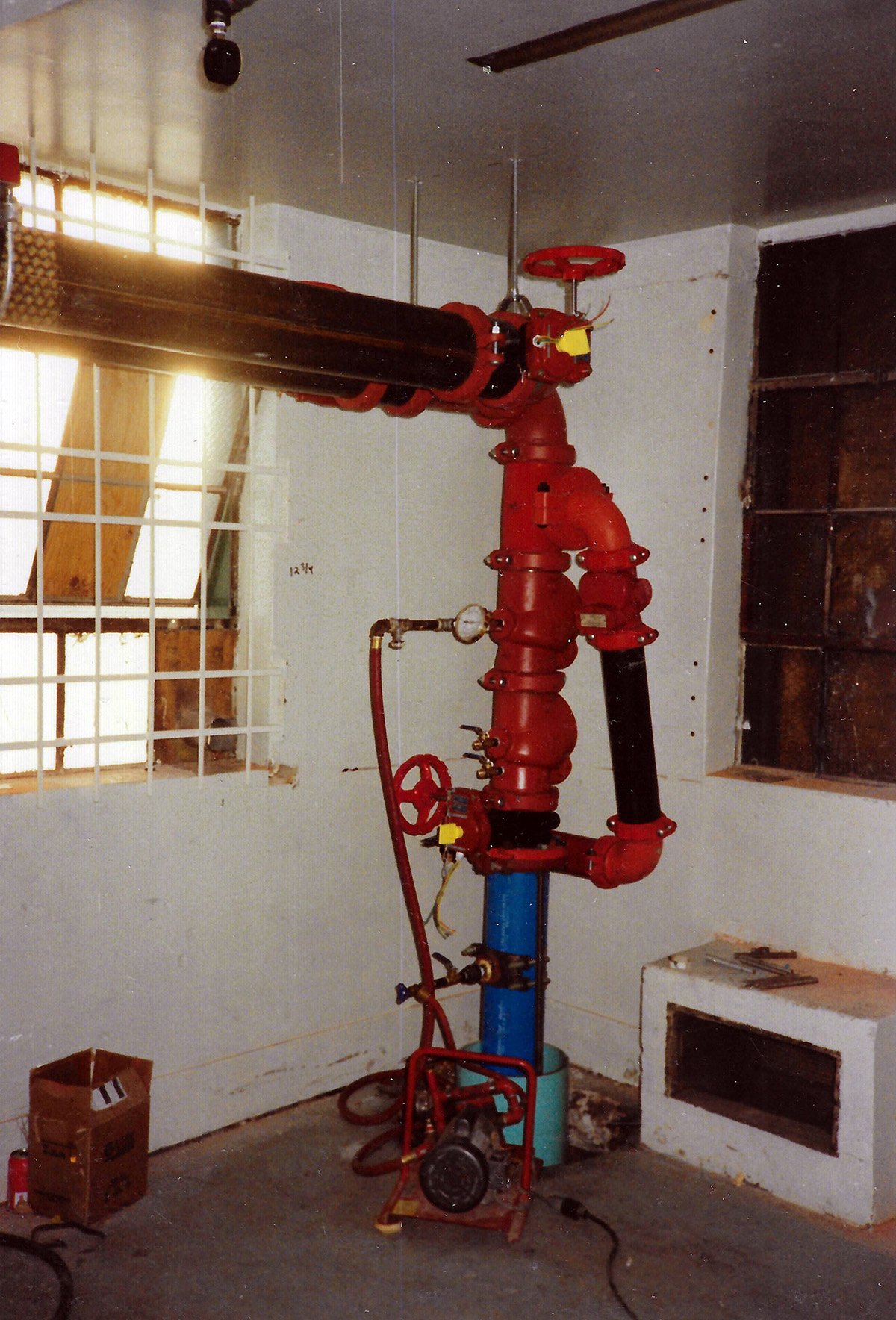
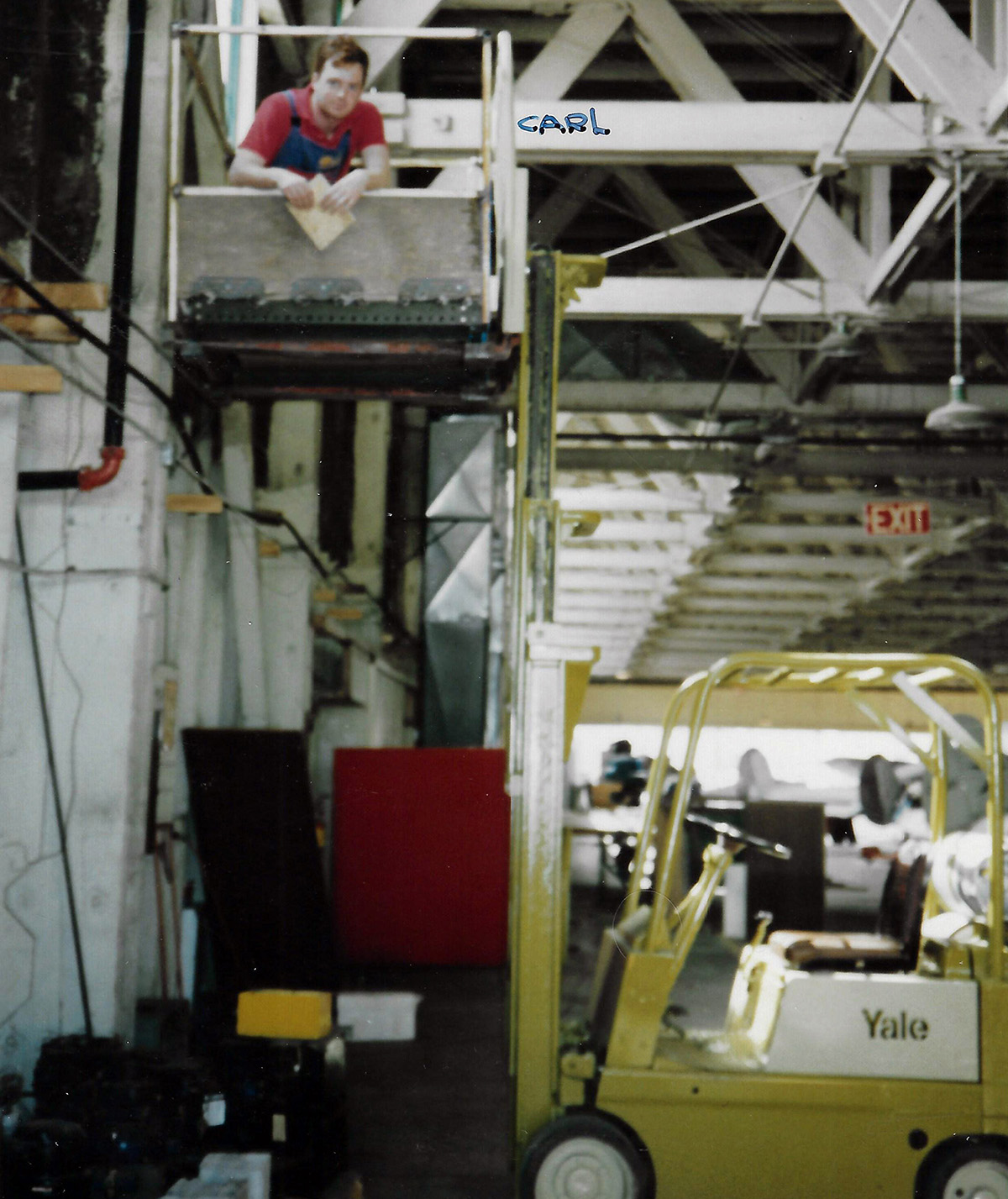
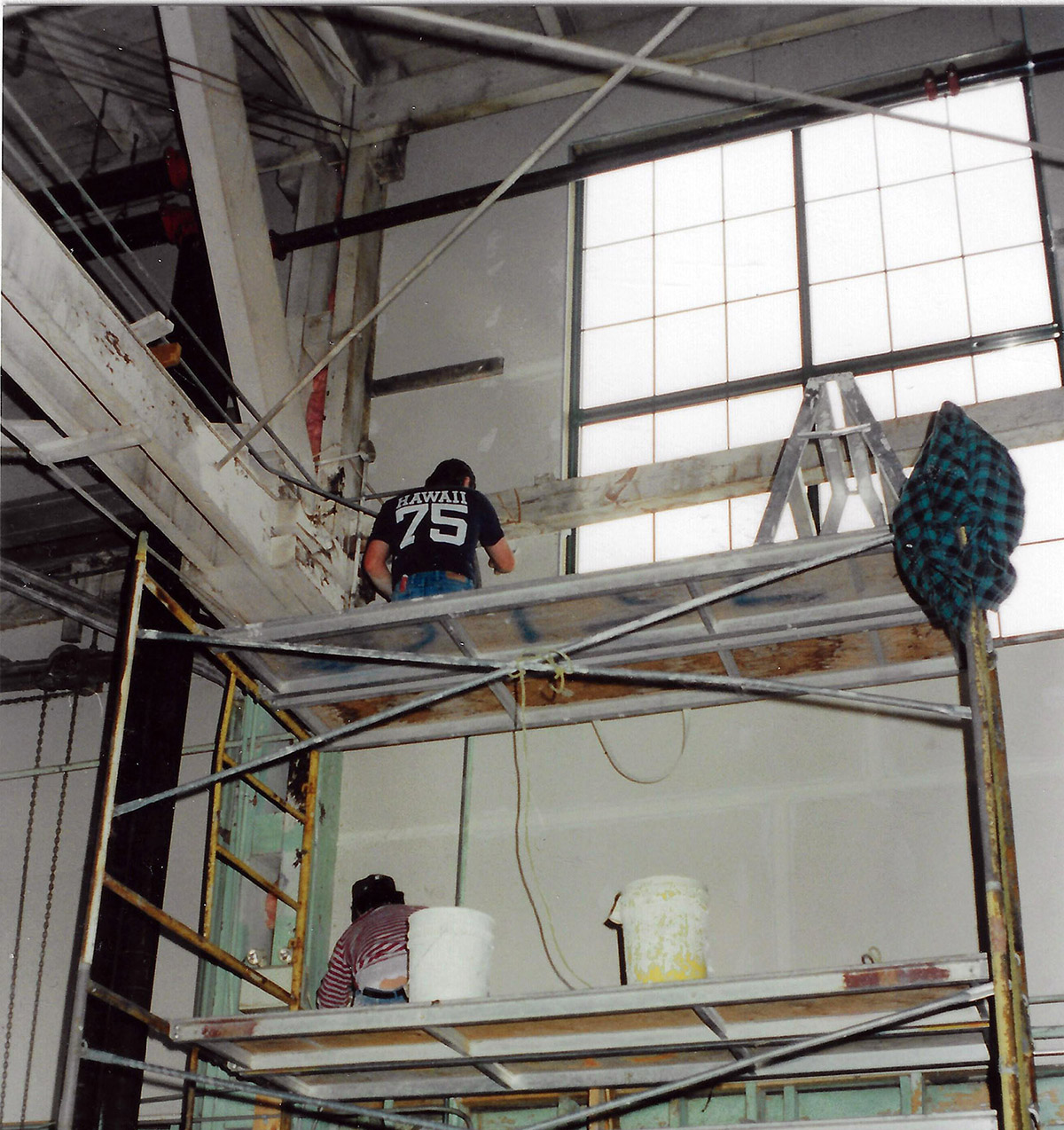
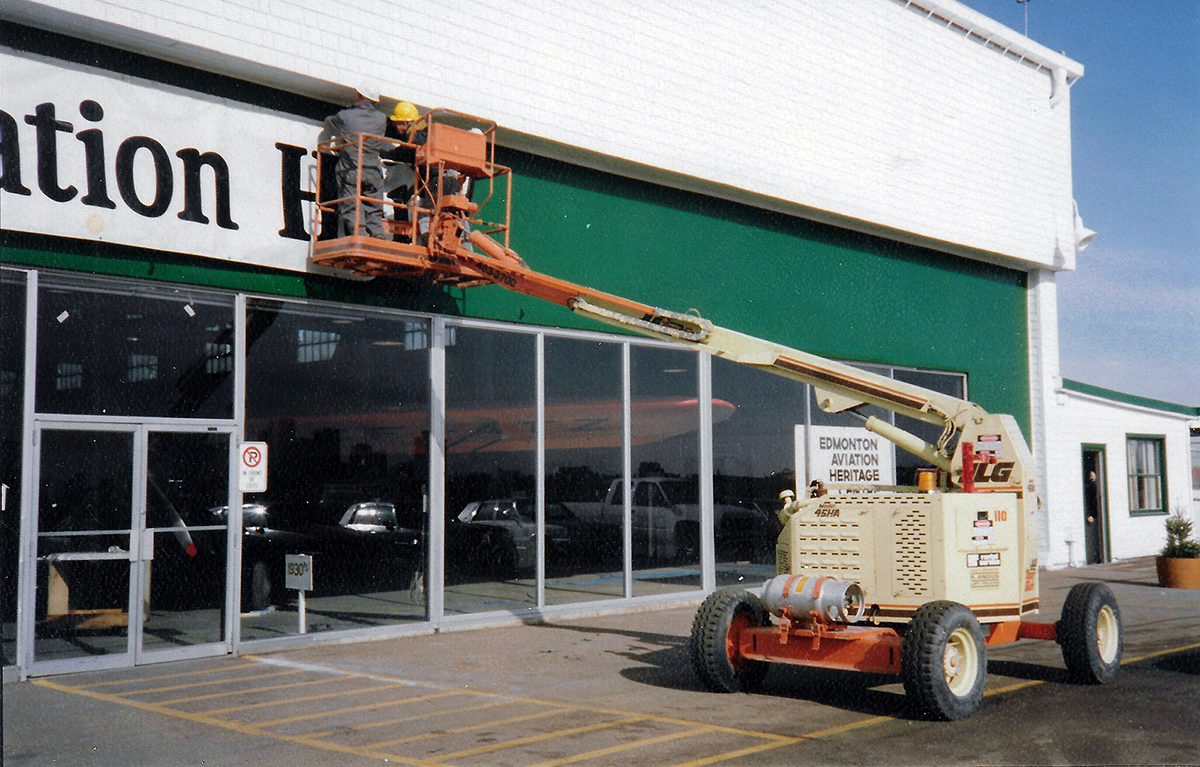
With financial backing from private donations and government grants, the Edmonton Aviation Heritage Society volunteers undertook a large renovation and renewal project, installing fire demising walls and a modern fire suppression system, as well as classrooms and a stage for cadets. The exterior shingles were repainted and replaced as needed, and the museum opened for its first visitors in 1992.
The Alberta Aviation Museum
The Alberta Aviation Museum is dedicated to preserving Edmonton's vibrant aviation heritage.
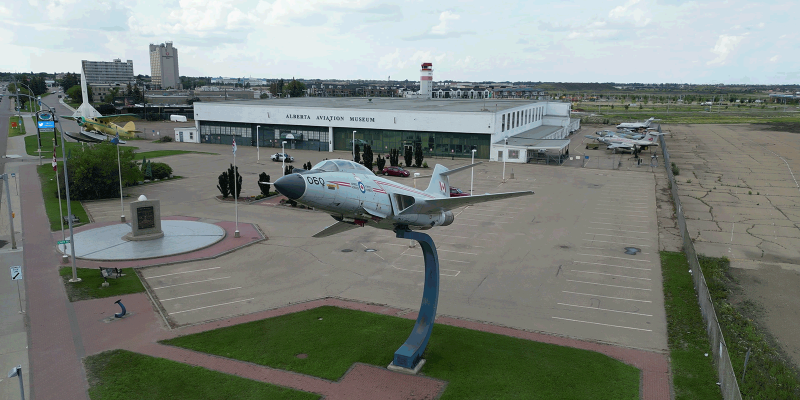
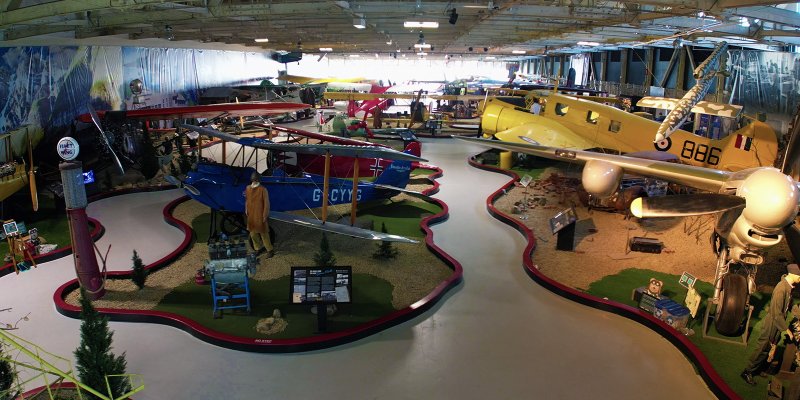
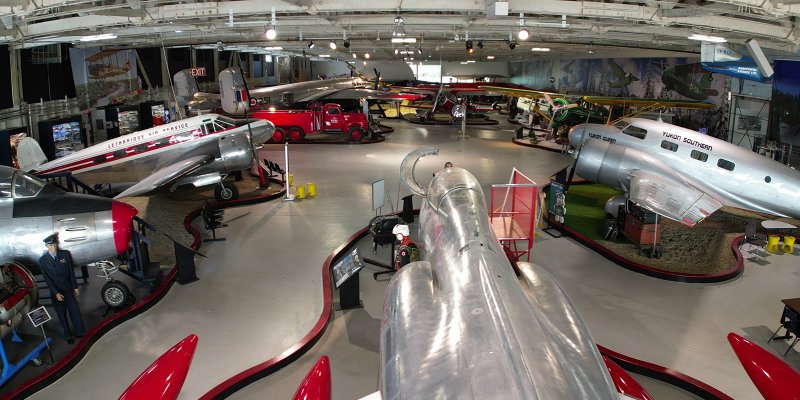
Our historic World War II hangar houses over 30 aircraft exhibits, a restoration area, a gift shop, and a large events facility.
We offer engaging activities, flight simulators, day and summer camps and events for all ages.
Various aviation and youth-focused organizations use the hangar, including an army cadet corps and an air cadet squadron.
Embracing the values of inclusivity and diversity, our museum regularly hosts community and evening events, fostering a welcoming atmosphere for all.
Join our community of aviation enthusiasts at Alberta Aviation Museum on Facebook.