Some types of work need to be done in the summer months while the weather is warm, while others can be done at any time.

Concrete Maintenance

Concrete maintenance is completed during the day. There may be some noise and vibration from concrete trucks, sidewalk grinders and/or plate tampers.

  • Sidewalks will usually be closed for about 24 hours while the concrete cures
  • Curb lane closures may be necessary to accommodate repair vehicles, but this lane will be reopened once active work is complete

Annual inspections are completed to determine where repairs are necessary. We also rely on resident notifications via 311 to determine where repairs are needed. Some sidewalks in mature neighbourhoods are also reconstructed as part of neighbourhood renewal

Concrete Repair Methods

Asphalt Patching

Asphalt patching is a sidewalk repair technique that can be used year-round, making it a convenient, safe and effective option. It is the only safe repair option during the winter months, and it allows us to quickly repair a safety hazard in a high-priority location.

Concrete Raising

Mud pumping is used to lift concrete panels and improve drainage.

Concrete Slab Replacement

Some concrete sidewalk segments are cracked, broken or in otherwise poor condition.

Concrete sidewalk slabs are replaced during the summer and fall. Concrete slabs are also replaced when asphalt patching is used to temporarily repair unsafe sidewalks during the winter months.

Ornamental Sidewalk Restoration

Repair of ornamental sidewalks, including paving stones.

Trip Hazard Control

We minimize tripping hazards on concrete sidewalks by grinding down protrusions and areas of uneven settlement.

Pavement Repair

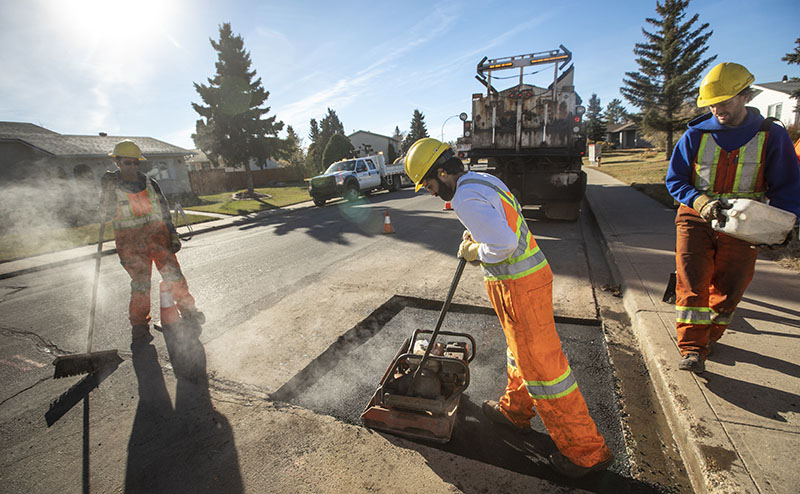
Road crew working on repairs

Aside from potholes, the pavement on City streets undergoes regular repairs and maintenance. Asphalt repairs correct surface defects, improve drainage patterns and address vehicle and pedestrian safety.

Pavement work is generally conducted during the day, with occasional repairs on arterial roads at night to minimize traffic impacts. Some noise may result from grinders and rollers. Depending on the scope of work, 1 or more lanes of traffic may be closed. Motorists will be notified by a flag person or sign.

Paving Repair Methods

Oiled and Gravel Roads Repair

Oiled and gravel roads are located throughout the city and its outskirts. Like asphalt roads, these require regular maintenance to keep them safe for motorists.

Regular maintenance includes:

  • Patching to address potholes, depressions, washboarding or edge failures
  • Dust control, including the application of dust control products
  • Grading to keep roadways safe and passable

There may be localized noise from graders and trucks during repairs. If lane closures are in place, motorists will be directed by a flag person and signs.

To determine if repairs are needed, regular inspections are conducted proactively and in response to 311 notifications.

What You Need to Know

Wet Conditions

Gravel roads can quickly develop soft spots when wet, but conditions often improve rapidly as the road dries and firms up.

Further damage can occur to gravel roads when they are wet, so City crews wait until the roads are slightly dry and firm before safely dispatching graders to regrade them.

When addressing drainage or flooding issues, the City not only repairs the damaged roadway but also addresses the specific point of failure. This ensures that the repairs are successful and do not need to be repeated.

After the spring thaw, City staff shift from spring sweeping operations to grading gravel roads as soon as the roadways are stable and dry enough to support graders without causing damage. During the thaw period, roads are in wet, poor condition, and maintenance is not feasible. Traffic warning signs and reduced speed limits may be posted in some areas.

Service Levels

The City currently has a service level of 30-60 days following a notification to inspect and repair gravel roads. This timeframe allows for roads to dry and stabilize, and account for any unfavourable weather conditions before repairs are made.

For all gravel roads in the City, crews maintain them until they are upgraded to paved roads. This upgrade occurs through private investment as part of the land development process, where rural land is converted to residential or industrial land. The exact timeframe for road upgrades largely depends on the local economy and housing demand.

Upgrading Gravel Roads

The gravel roads program promotes equity by maintaining connectivity in rural areas until density increases through development. Upgrading is done by private investment as part of the land development process, whereby rural land is converted to residential or industrial land. The exact timeframes for roads to be upgraded are largely subject to the local economy and demand for new development.

In cases where maintenance activities on unpaved roads cease to be effective in ensuring the road is meeting appropriate service levels, the City may consider rehabilitation or upgrading those roads on a case-by-case basis as funding permits. Examples include extreme base failure and any failure to the structure that has imminent and serious safety implications.

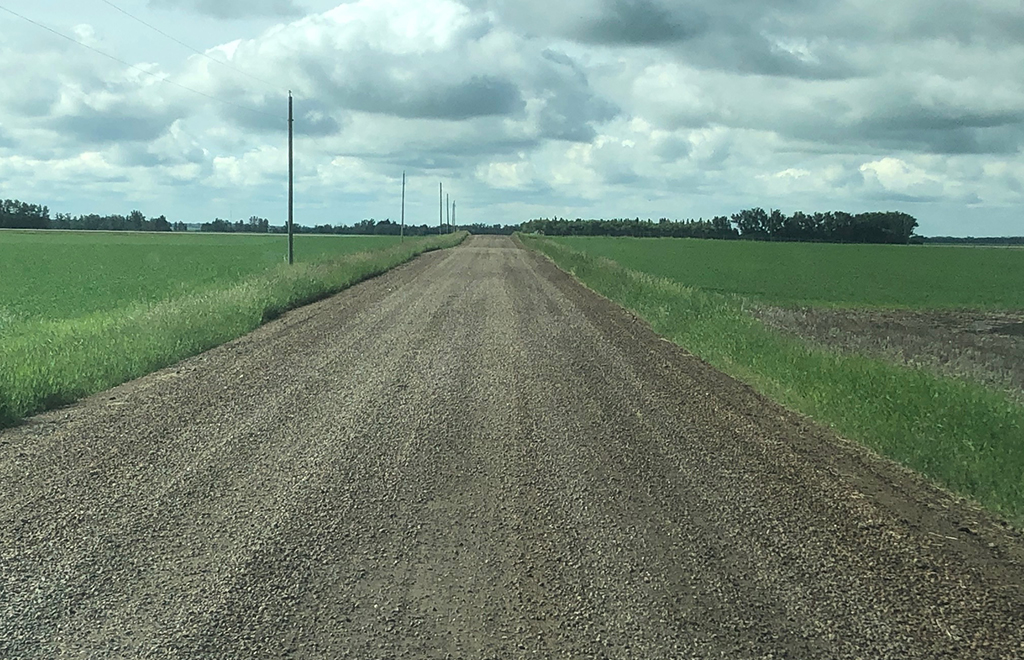
After road maintenance photo
After maintenance
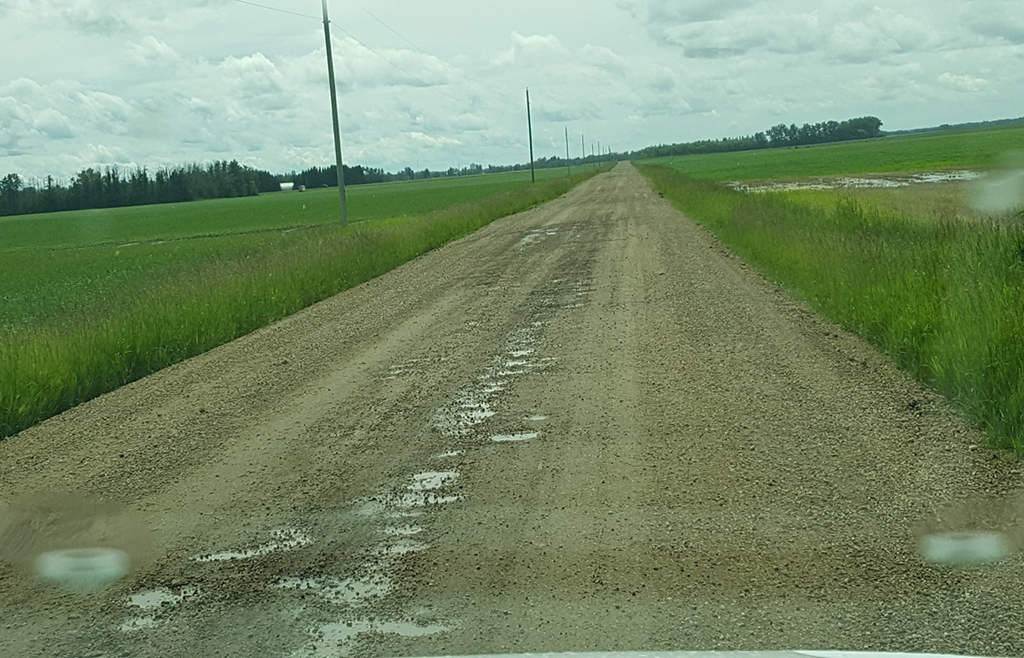
road before maintenance photo
Before maintenance

Related Repairs

Other repairs take place to ensure the safety and comfort of all roadway users.

Auxiliary Structures

These are structures adjacent to the road, such as:

  • Barrier walls
  • Brick and pavings stones
  • Stairs
  • Street furniture

Repairs are made to these structures as needed during the summer months. Crews inspect structures and respond to 311 notifications to determine if repairs are needed.

Occasional work will take place at night on major arterial roads, but generally work is done during the day. Noise from saws and chainsaws is common. Depending on the work, sidewalks or one or more lanes of traffic may be closed. Detours will be in place as needed.

Railway Crossing

Occasional railway crossing maintenance and repairs are required, including removal or replacement, signal maintenance, or repairs from accidents or vandalism.

Railway crossing maintenance may require road closures, and there may be noise due to signal activation during repairs. Affected businesses and residents are informed of these inconveniences ahead of time by a bulletin delivered to their doors. Local access will be maintained up to the railway crossing on each side.

Ditch Maintenance

Ditch maintenance includes:

  • Inspection
  • Cleaning
  • Ensuring culvert ends are exposed

To determine if repairs are needed, regular inspections are conducted proactively and in response to 311 notifications.

Contact Us

Roadway Maintenance

Phone  In Edmonton: 311 | Outside Edmonton: 780-442-5311 | TTY: 780-944-5555