


The City is engaging with businesses and organizations, also known as the Industrial, Commercial and Institutional (ICI) sector, to talk about actions that could impact how businesses manage waste. Proposed actions include a bylaw, grants, educational toolkits and more.
The ICI Waste Survey is now closed. Thank you to everyone who contributed! We are now reviewing the results.
Learn more about the Industrial, Commercial and Institutional Waste Roadmap.
If you have questions, please email ICIWaste@edmonton.ca.
Timeline
Industry Engagement Phase 1
Identify opportunities, barriers, solutions and implementation options for waste diversion, reduction and circular economy in the ICI sector.
Industry Engagement Phase 2
- Refine options and solutions
- Review and confirm the accuracy of drafted metrics
- Review implementation tools and timelines
Bring recommended actions to City Council for review and approval.
Industrial, Commercial and Institutional Waste Industry Explained
Non-residential waste from the Industrial, Commercial and Institutional sectors, including Construction and Demolition (C&D), makes up between 60 and 70% of a municipality’s annual waste generation, yet it is not often regulated.
Industrial
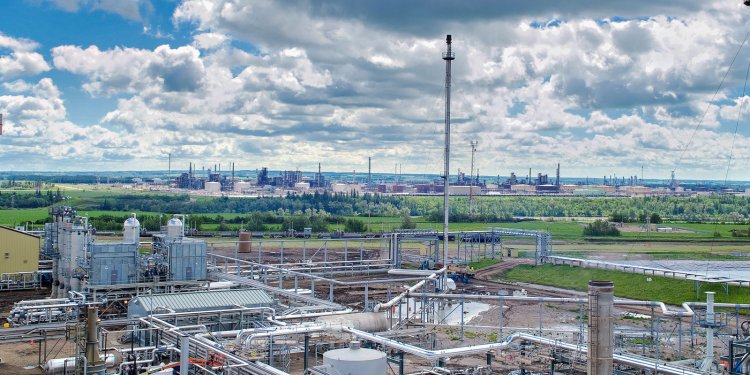
Any business having to do with the manufacturing of raw (primary) and finished (secondary) products, such as organic manufacturers (food products) including farms, wood products manufacturing, corrugated container manufacturers, pipe manufacturers and plastics manufacturing.
Commercial
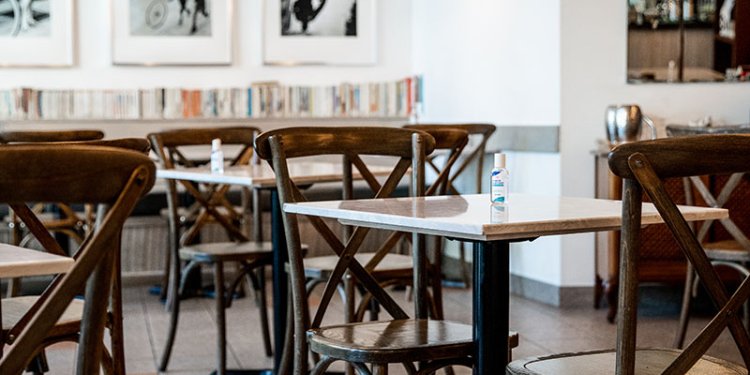
Any business with activities focused on the exchange of goods and or services for a profit, such as retail stores, restaurants, hotels and businesses located in warehouses.
Institutional
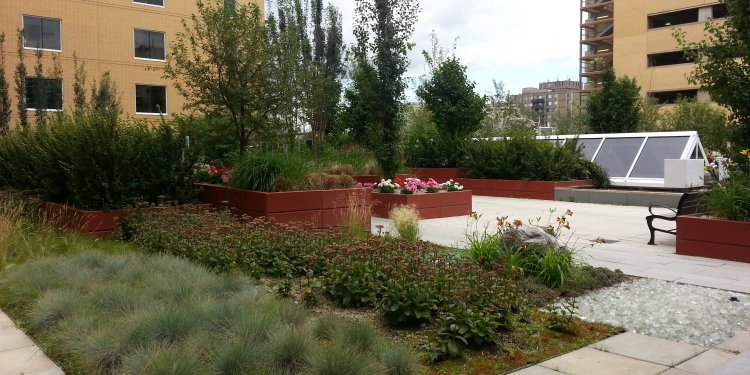
Any organization or entity focusing on not-for-profit services in the public interest, such as schools, hospitals, long-term care homes, group foster homes, buildings used for religious worship and recreational and community uses and gatherings.
Commercial Food Waste Diversion Pilot
Are you interested in teaming up with other local businesses and organizations to rescue good food and compost what’s left over?
The City of Edmonton is participating in a food waste pilot with the Circular Innovation Council. This one-year pilot program will help recover surplus edible food and divert organic waste from landfill.
For more information or to sign up for the pilot visit Circular Innovation Council’s website.
Frequently Asked Questions
The City is currently in the engagement phase of developing programs to better manage waste in your sector. In the meantime, we encourage you to contact your waste service provider to inquire about separate recycling and food scraps services or consider getting involved with a local food rescue group or charity.
Currently the City does not require businesses to sort their waste into separate streams like residents do, but we do encourage businesses to take action voluntarily to reduce and divert more waste from landfill.
The non-residential sector generates up to 70% of Edmonton’s waste, with at least half of it being organic material like food waste. This presents both a significant challenge and a major opportunity.
The City of Edmonton is exploring how it can support waste reduction by identifying barriers and practical solutions.
Background
Under the direction of Council as part of the 25-year Waste Strategy, and in alignment with ConnectEdmonton and Edmonton’s Climate Change Adaptation and Resilience Strategy, Waste Services is establishing a roadmap for managing waste generated through non-residential sources in Edmonton.