

Breaking Boundaries for Women in Sport
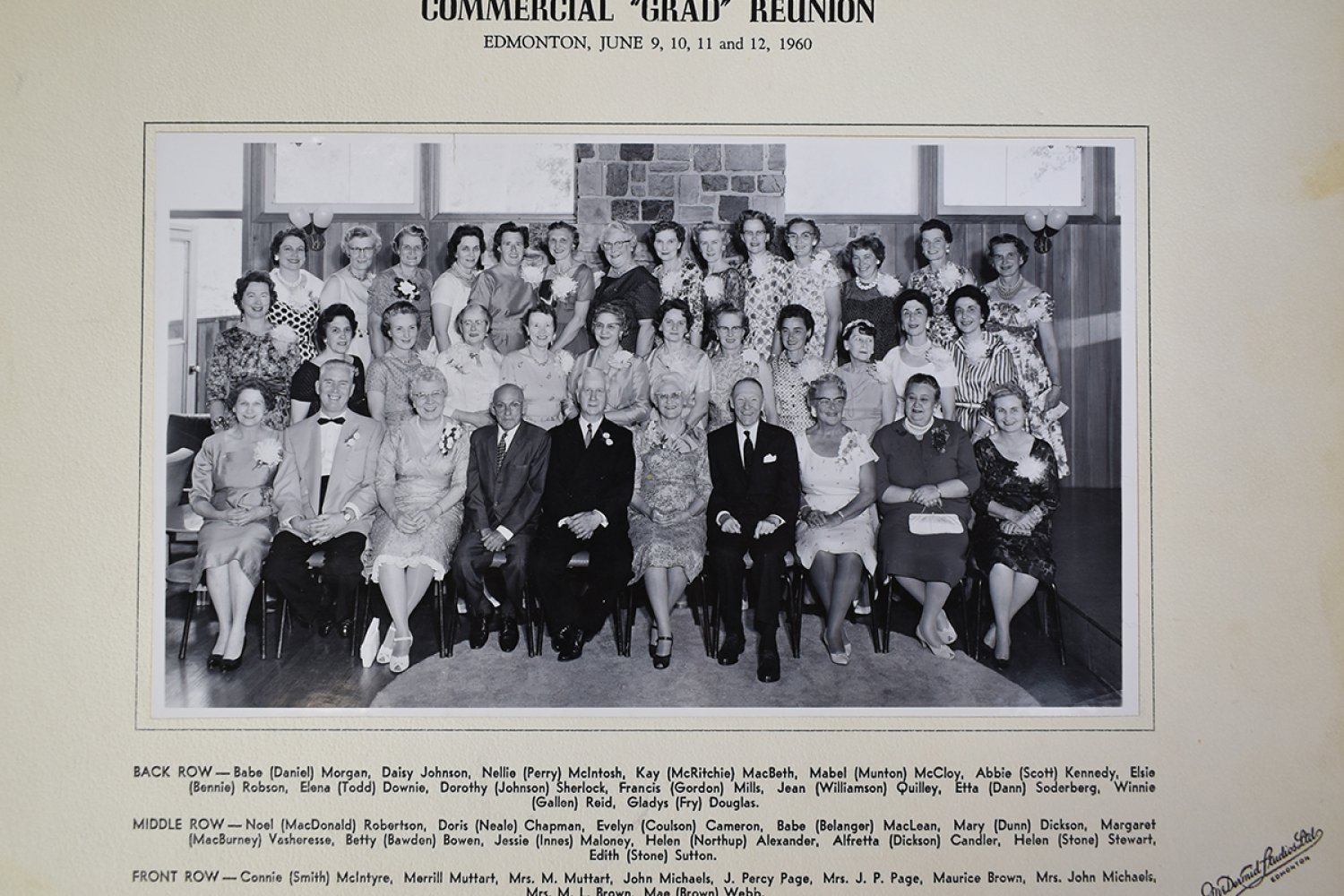
Commercial Grad Reunion 1960 [1980-16-26]
Without a doubt, the Edmonton Grads dominated the field of women’s basketball. They set the bar for performance, achievement and public support. Indeed, the Grads broke barriers for women in sport by showing that women could play basketball as well as or even better than men.
Today, 100 years later, the majority of Canadian women are no longer banned or discouraged from playing sports on the basis of being a woman. That said however, transgender women, women with physical disabilities, and women of various cultural communities still face barriers to play. Overall, for Canadian women in sport, there is considerable inequity in terms of promotion, sponsorship, coaching and management.
They Played Too
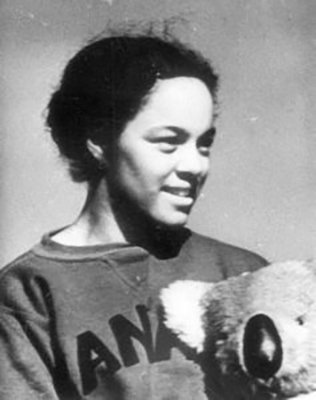
Barbara Howard, a sprinter, was the first Black female athlete to compete internationally for Canada, when she participated in the 1938 Empire Games. Photo: City of Vancouver Archives / Public Domain
The Grads are a phenomenal story but are not the only story to consider when thinking about women, basketball and sport. In Canada, white women, like the Grads, were the first group of women to be accepted in playing organized sports at an amateur level on a national and international stage. As a result much of the mainstream historical record reflects only their experiences in participation. Yet many marginalized groups of women such as Indigenous, racialized, and women with a physical disability who have a rich history of playing and competing in sport, do not have the same amount of historic record available. Much more research and work needs to be done to capture the historical experiences of these women. These communities of women were playing sport despite not having the same opportunities and were not welcome to access mainstream sport organizations. Their stories and successes not only speak of the love of sport but perseverance and dedication while facing systemic racism and barriers.
The period in which the Grads played amateur basketball (1920-1940), it was accessible only for white women. On the other hand, track and field and baseball were two sports that provided greater inclusion opportunities for all women in Canada.
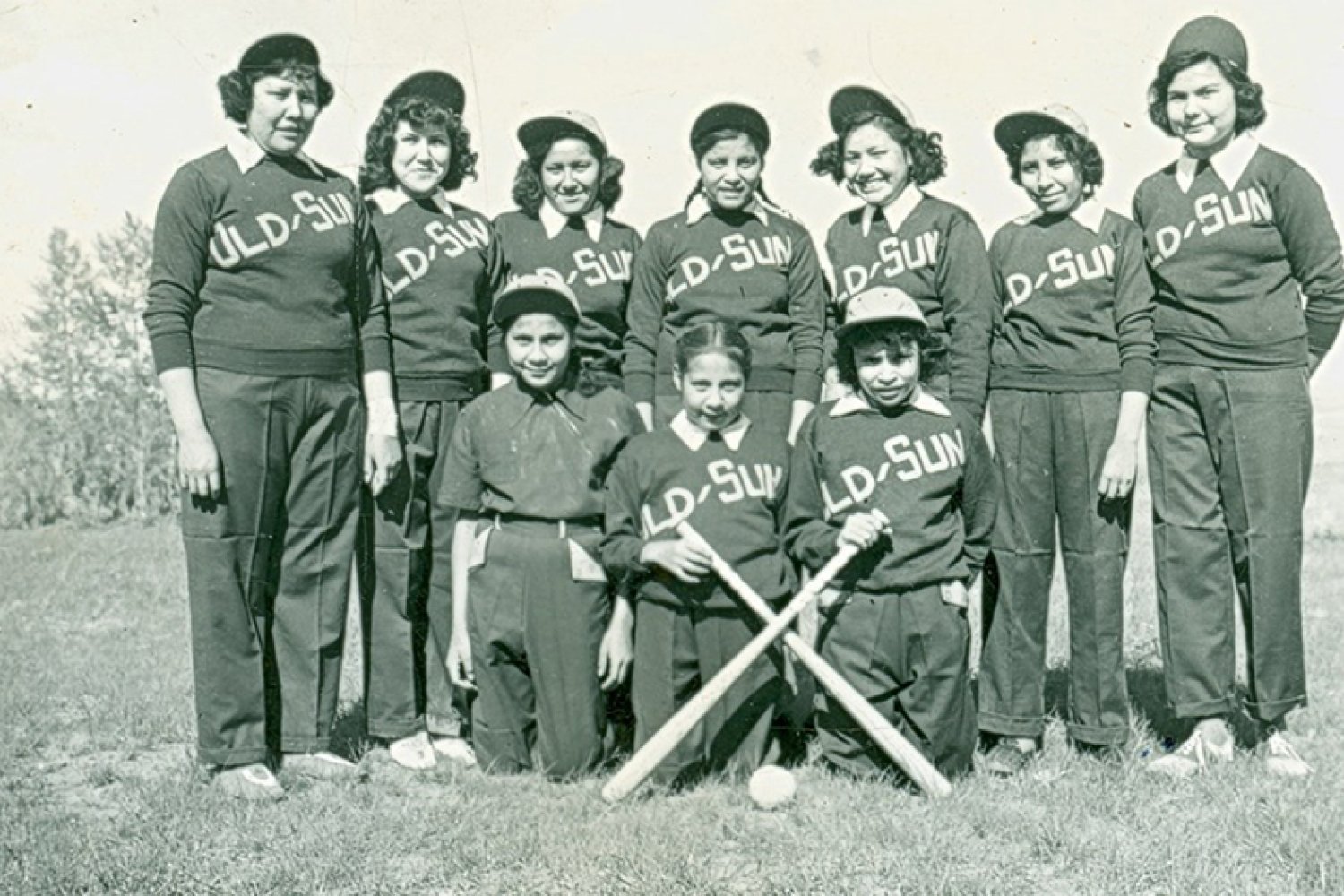
Girls’ softball team at Old Sun Residential School, Gleichen, Alberta, 1940s. Photo: Anglican Church of Canada, General Synod Archives, P75-103-S7-202.
The Next Boundary Breakers
The conversation of inclusion and diversity in Canadian women’s sport is underway in many organizations. Creating space and acceptance for all players is the goal to obtain. For inspiration, read Fitriya Mohamed’s article about the Muslim women’s summer basketball league in Toronto.
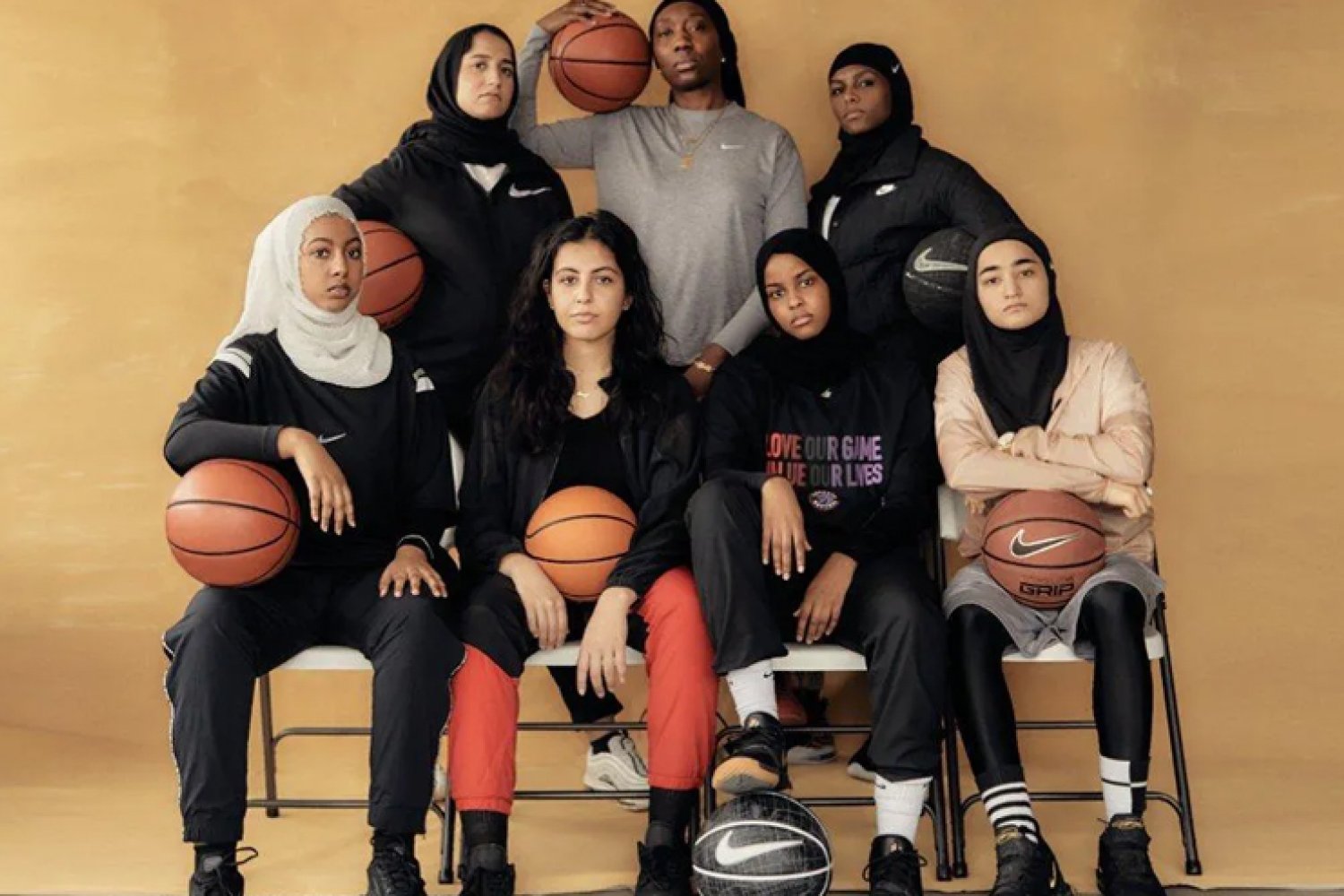
Muslim women’s summer basketball league in Toronto. Photo credit Luis Mora.
The Grads' record of achievement is still unsurpassed by any other amateur sport team, including men’s teams. That said, the Canadian Senior Women’s National wheelchair basketball team is getting close.
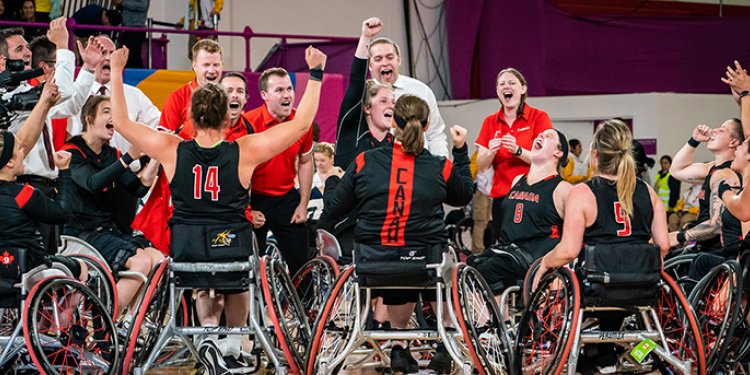
“Canada is the only wheelchair basketball team to win three Paralympic gold medals in a row (1992, 1996, and 2000) and four World Championships in a row (1994, 1998, 2002, and 2006). Beginning with their gold medal performance at the Barcelona 1992 Paralympic Games, Canada went on an incredible decade-long undefeated streak in which they established themselves as a perennial favourite at every major international competition, and became one of the most widely respected programs in the world.”