

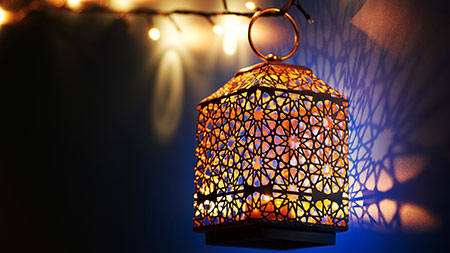
Ramadan is a sacred month of religious observance for many Muslim residents in Edmonton. It is a time centred on reflection, faith, generosity and community, and is observed across cultures and communities around the world.
The City of Edmonton recognizes Ramadan as an important time for many residents. During Ramadan, many people adjust daily routines to focus on prayer, self discipline, charitable giving, and time with family and community.
When is Ramadan Celebrated?
Ramadan is the ninth and holiest month of the Islamic Calendar. Its timing follows the lunar cycle, which means the start and end dates vary each year. These dates depend on the sighting of the new moon and may vary within communities.
In 2026, Ramadan began on February 17 and ended March 19.
Fasting is one of the central practices of Ramadan. It is understood as an act of spiritual discipline and reflection, alongside increased prayer, acts of kindness and community connection.
From dawn to sunset, adults and teenage Muslims, who are able, refrain from food and drink, including water.
The length of the fast varies by season and location. In Edmonton, fasting hours can be long, particularly when Ramadan falls in the spring or summer months.
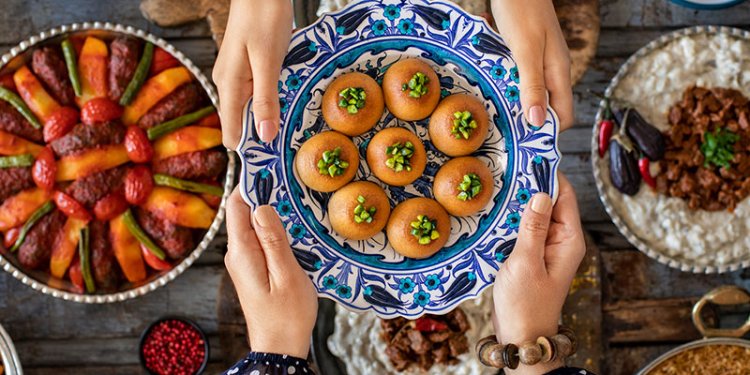
At sunset, the daily fast is broken with a meal known as an Iftar. Iftar is often shared with family, friends or community members.
Who Fasts During Ramadan
Fasting during Ramadan is obligatory for adult and teenage Muslims who are able to do so. Individual circumstances and health care are central to how people observe the month.
There are recognized exemptions within Islamic practice, including:
- Very young children
- People with physical or mental health conditions
- People who are traveling long distances
- Those who are pregnant or breastfeeding
- People who are recovering after childbirth
- Some older adults, depending on health circumstances
Children may choose to participate in fasting in age-appropriate ways, but fasting is not obligatory for them.
Why Fasting Matters
Fasting is 1 of the 5 Pillars of Islam, which are the core practices that shape Muslim life. The other pillars include:
- Faith
- Prayer
- Charity
- Making the pilgrimage to the holy city of Mecca, known as Hajj
For many Muslims, fasting is not about abstaining from food and drink. It is a practice intended to cultivate patience, empathy, gratitude and a stronger sense of responsibility to others, particularly those facing hardships.